



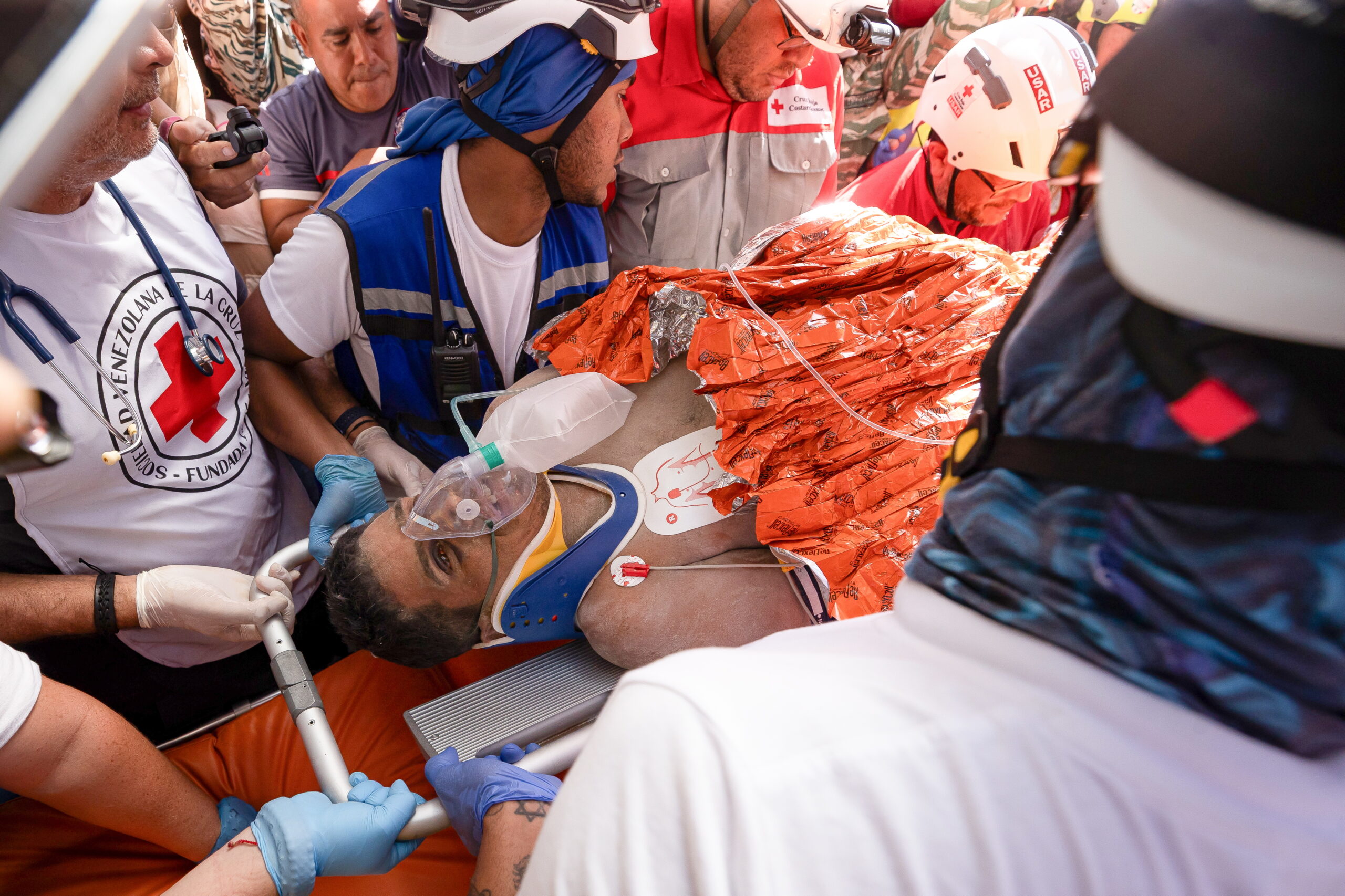
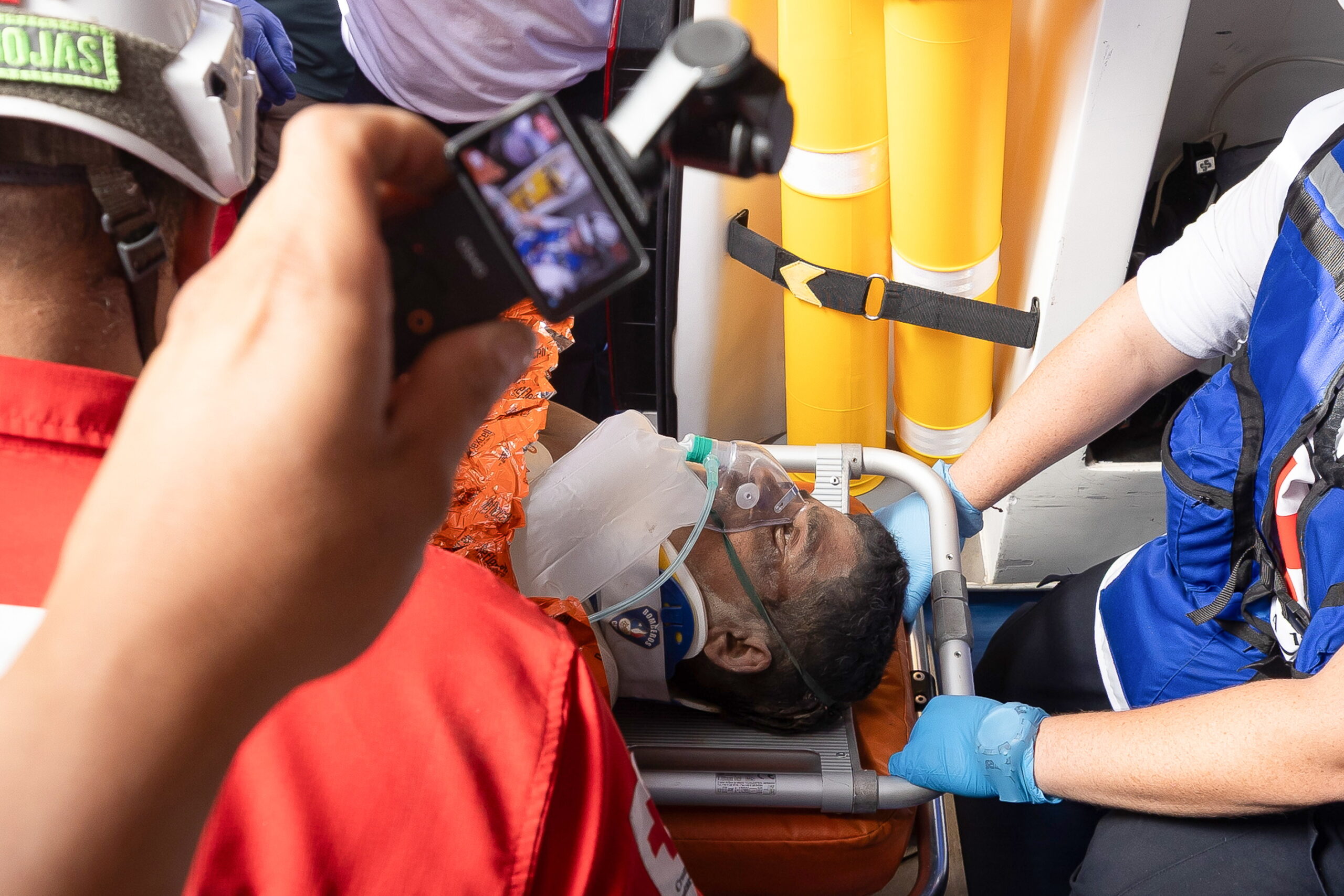
A survivor of the double earthquake that struck Venezuela on June 24 was pulled from the rubble yesterday, Thursday, following days of efforts by rescue teams, eight full days after the disaster—a rare cause for celebration against the grim backdrop of countless deaths and unimaginable destruction.
The rescue was the result of an extremely complex operation that began on Monday, involving rescuers from seven countries, the French Press Agency reported in Katia la Mar, in the state of La Guaira (north).
ΣΧΕΤΙΚΑ ΑΡΘΡΑ

Canadian Anne Carson Wins the Nobel Prize in Literature

A Look Back at Apollon’s International Soccer Players
This area was among those hardest hit by the 7.2- and 7.5-magnitude earthquakes, which left nearly 2,600 dead and thousands missing.
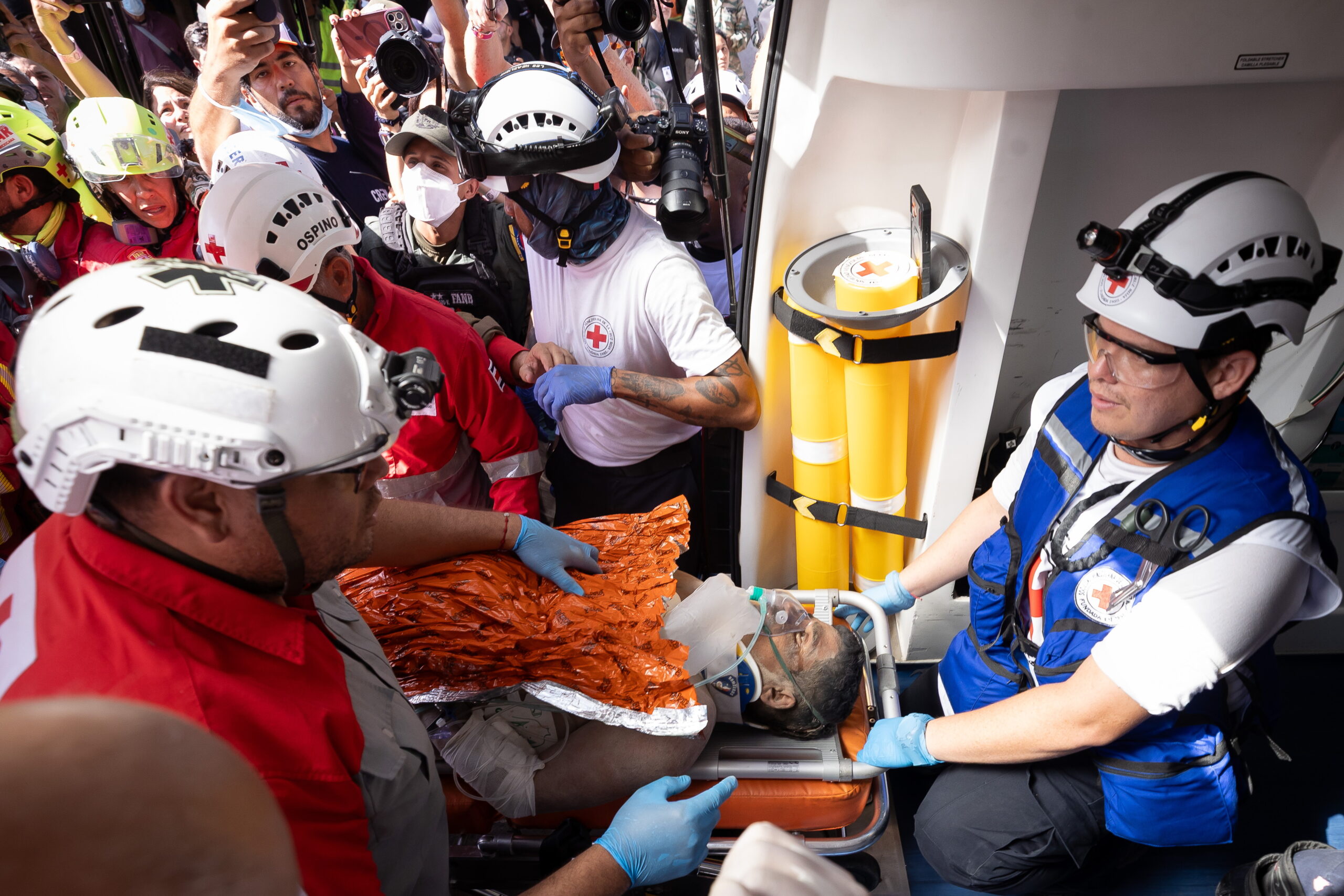
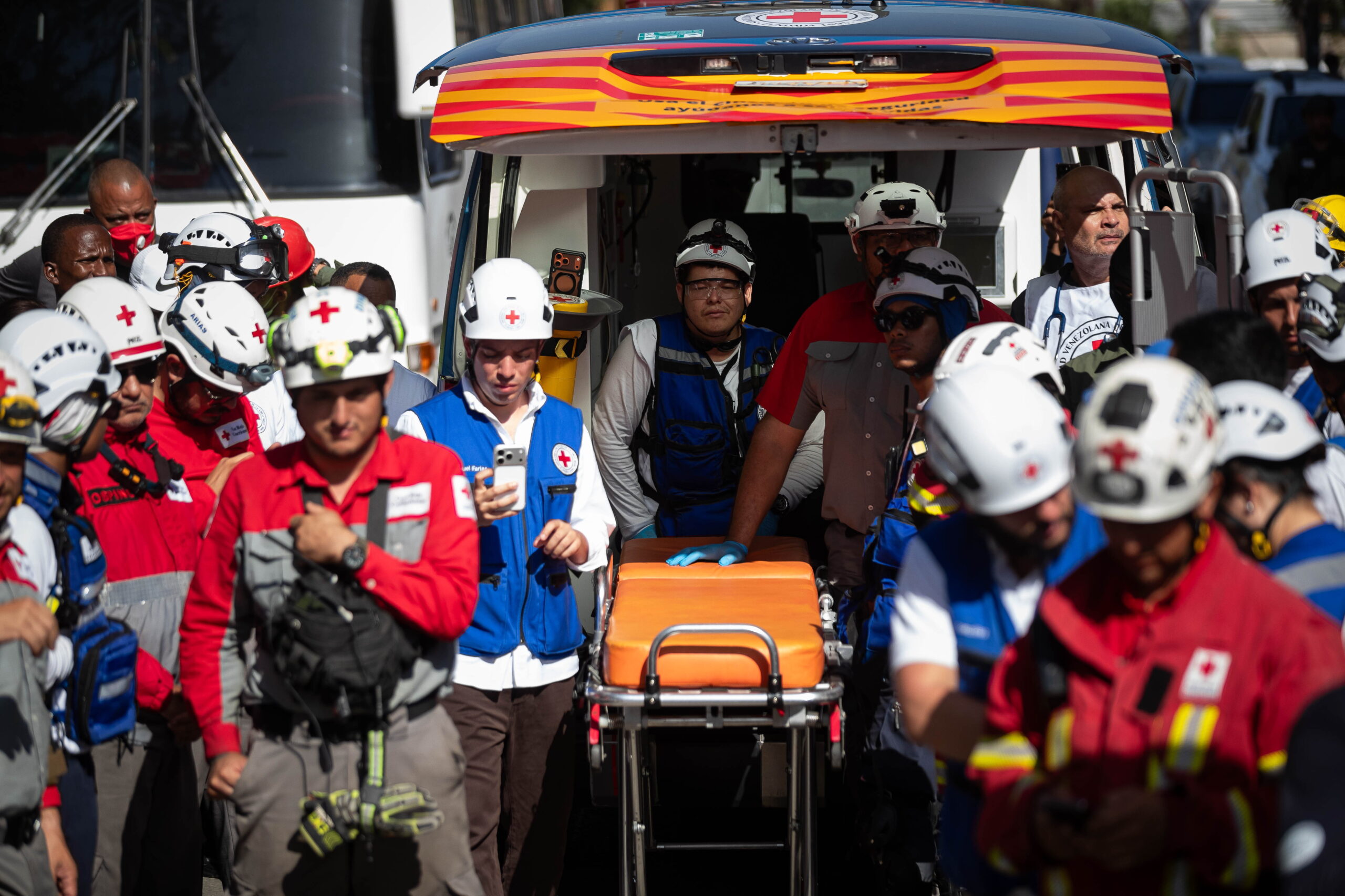
Hernán Hill, a 43-year-old security guard, was pulled out on a stretcher from the rubble of the seven-story building that had crushed the booth in which he was trapped.
“It’s truly a miracle,” his wife, Gusbimar González, gasped, amid intense, collective emotional reactions.
His rescue has reignited the faint hopes of finding and saving other survivors, even though it is generally believed that victims trapped in collapsing buildings have very little chance of surviving beyond 72 hours.
Death is everywhere. On dozens of destroyed buildings, the letter D—which stands for “deceased”—is visible, according to the international classification used in search and rescue operations following earthquakes, and it puts an end to any hopes of finding survivors.
The most recent official tally, which is still provisional, puts the death toll at 2,595 and the number of injured at 12,400; Acting President Delcy Rodríguez announced this last night (local time), emphasizing that the search for survivors continues.
The full extent of the disaster is not yet known. Authorities in Caracas are avoiding giving specific numbers for the missing, but the UN estimates that the number could be as high as 50,000.
President Rodríguez, who declared seven days of national mourning for the victims of the strongest earthquake to hit the country in over a century, also assured that “no one will be buried in mass graves.”
He defended the authorities’ handling of the crisis, as they have been criticized by many for delays in search and rescue operations.
“In the first 24 hours, 4,000 public officials were deployed. Within 48 hours, we had 19,000 people” at the disaster sites, he said.
Parliament Speaker Jorge Rodríguez, the brother of the acting president, stated this week that on June 24, there were approximately 30,000 people in the city of La Guaira, of whom 6,461 were rescued and more than 13,000 emerged from the rubble on their own or with the help of relatives and friends. The fate of the rest remains unknown.
Photos
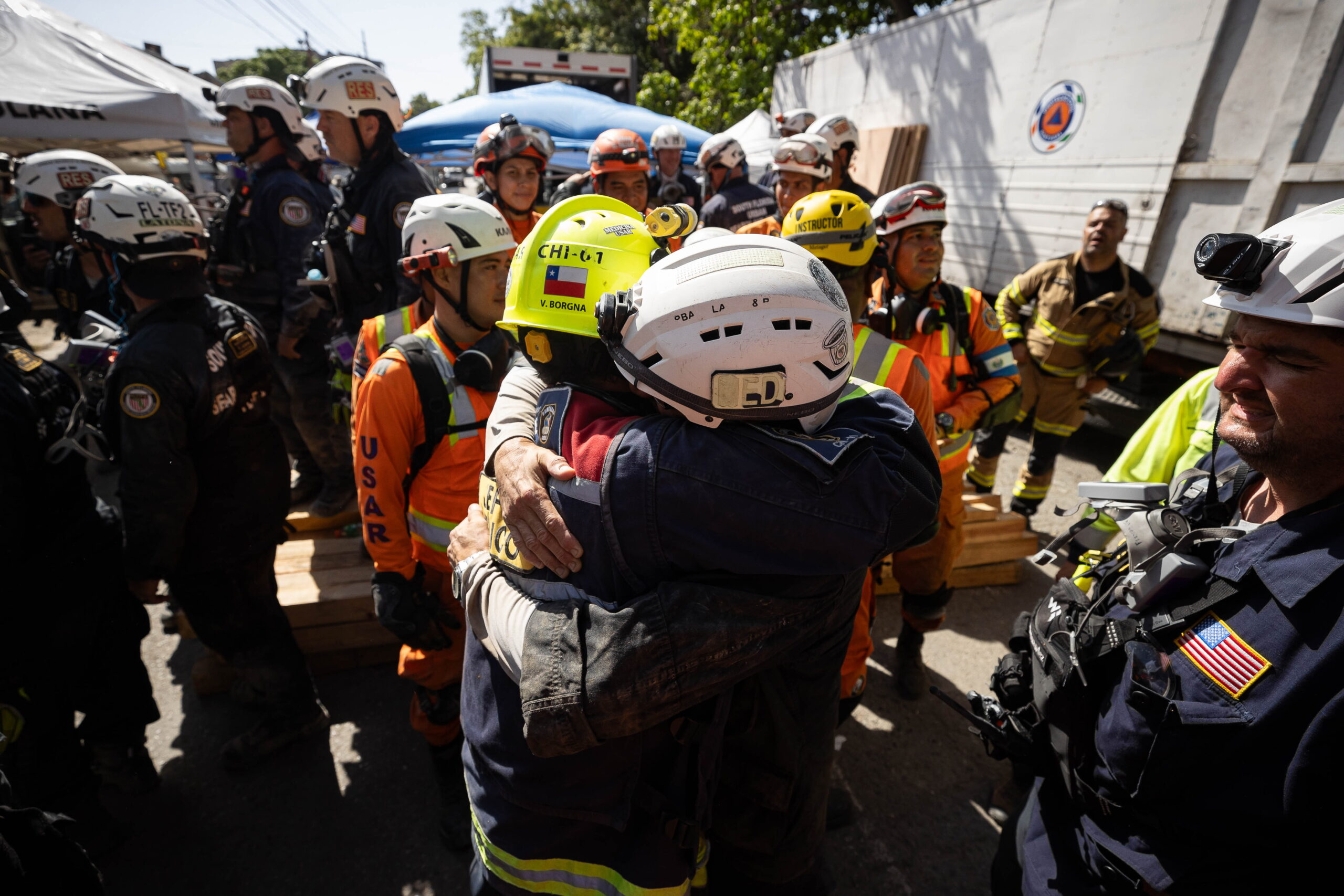
Teams from the U.S., El Salvador, Costa Rica, Portugal, Mexico, Chile, and Venezuela dug for more than three days to free Hernán Gil from the rubble, making sure he had water and oxygen.
Rescuers embraced each other and erupted in cheers when he was finally able to emerge from a three-meter-long tunnel that had been dug as part of the operation.
Social media sites have been flooded with photos of children, the elderly, and couples, along with their names, descriptions, phone numbers, and appeals for information about their whereabouts.
Standing before the rubble, residents insist that their loved ones are still alive and accuse the authorities of being absent.
Maira Sequeira, 58, says her nephew is buried in the rubble. “We tried to reach him, but there aren’t enough machines or personnel to help us. There are no rescuers.”
Such complaints have been constant from the start, with residents saying that the authorities are doing nothing, despite aid from 27 countries, which have sent experts and specially trained dogs.
“With one eye open”
The scale of the disaster has plunged part of the country—which was already facing a severe, long-standing economic crisis—into chaos.
Authorities have opened aid distribution centers, but some survivors say they feel they have received more support from foreigners and volunteers.
The tragedy has left thousands of people homeless—people are sleeping in parking lots, on sports fields, and in makeshift outdoor camps.
Noemi Contreras, 25, went to a park in Caracas that has been turned into a shelter, but she doesn’t feel safe. “I’m afraid that if I fall asleep, they’ll take my child,” she says, as rumors of child abuse circulate. “I sleep with one eye open,” says Betsabet Maleno, 39.
Many complain about the conditions in which they are forced to live—in tents, without enough food. “Sometimes we manage to find food, sometimes we don’t,” explains Noemi Contreras.
The United Nations World Food Program (WFP) issued an urgent appeal this week to raise an initial $50 million, so it can distribute food to approximately 500,000 earthquake victims over the next three months.
SEE ALSO: The grim death toll from the double-deadly earthquake in Venezuela continues to rise | AlphaNews
Source: KYPE








