



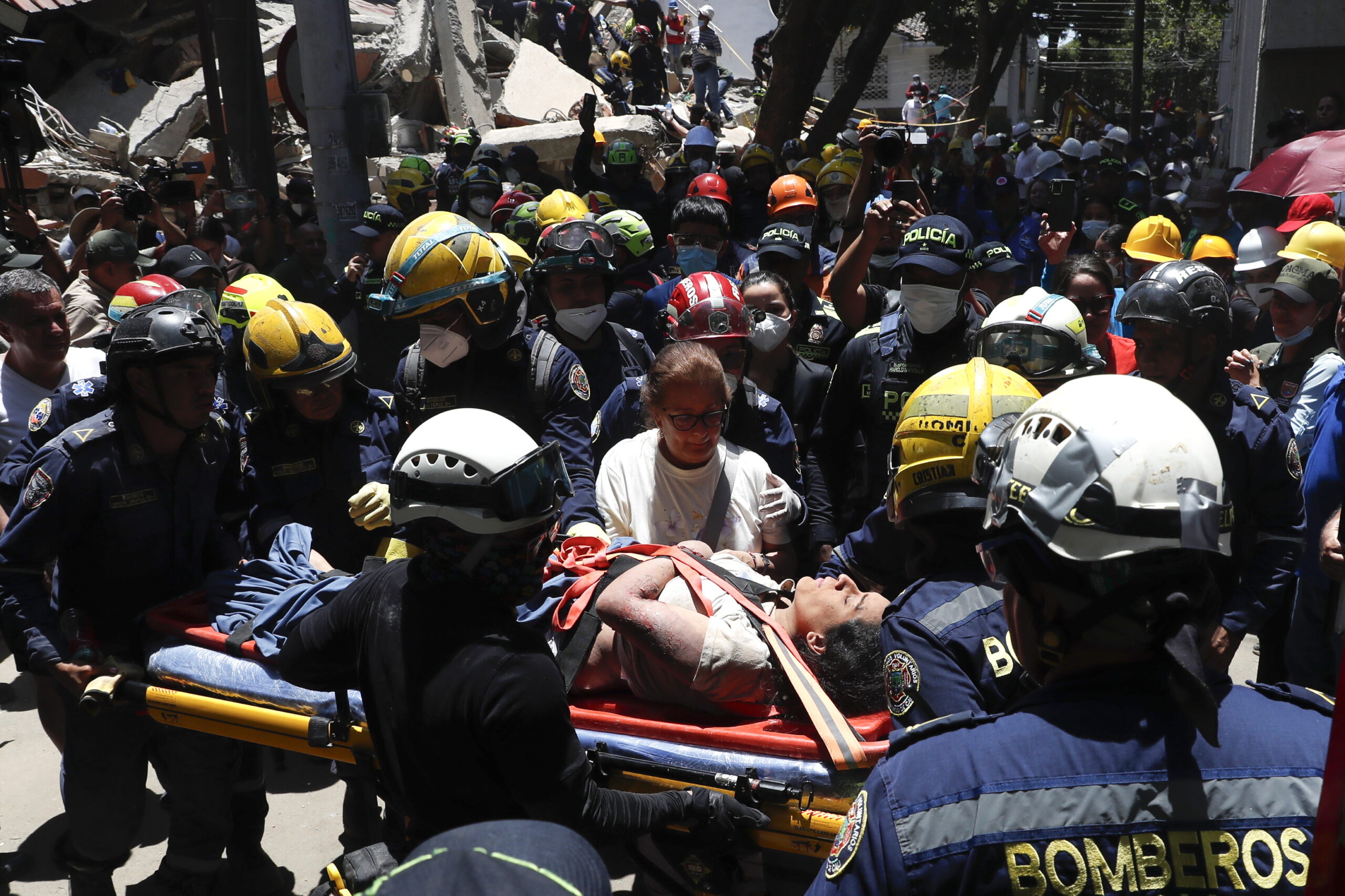
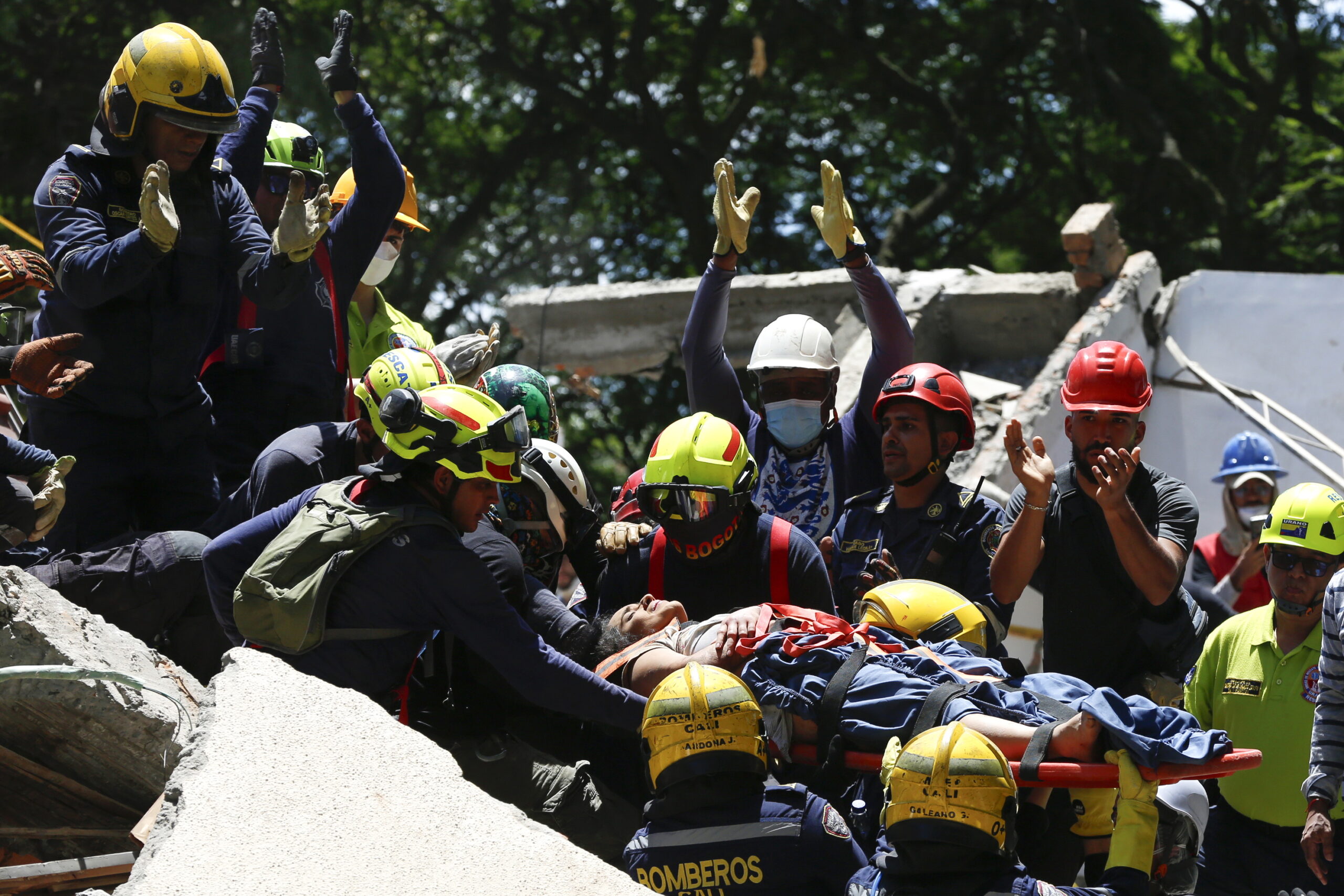
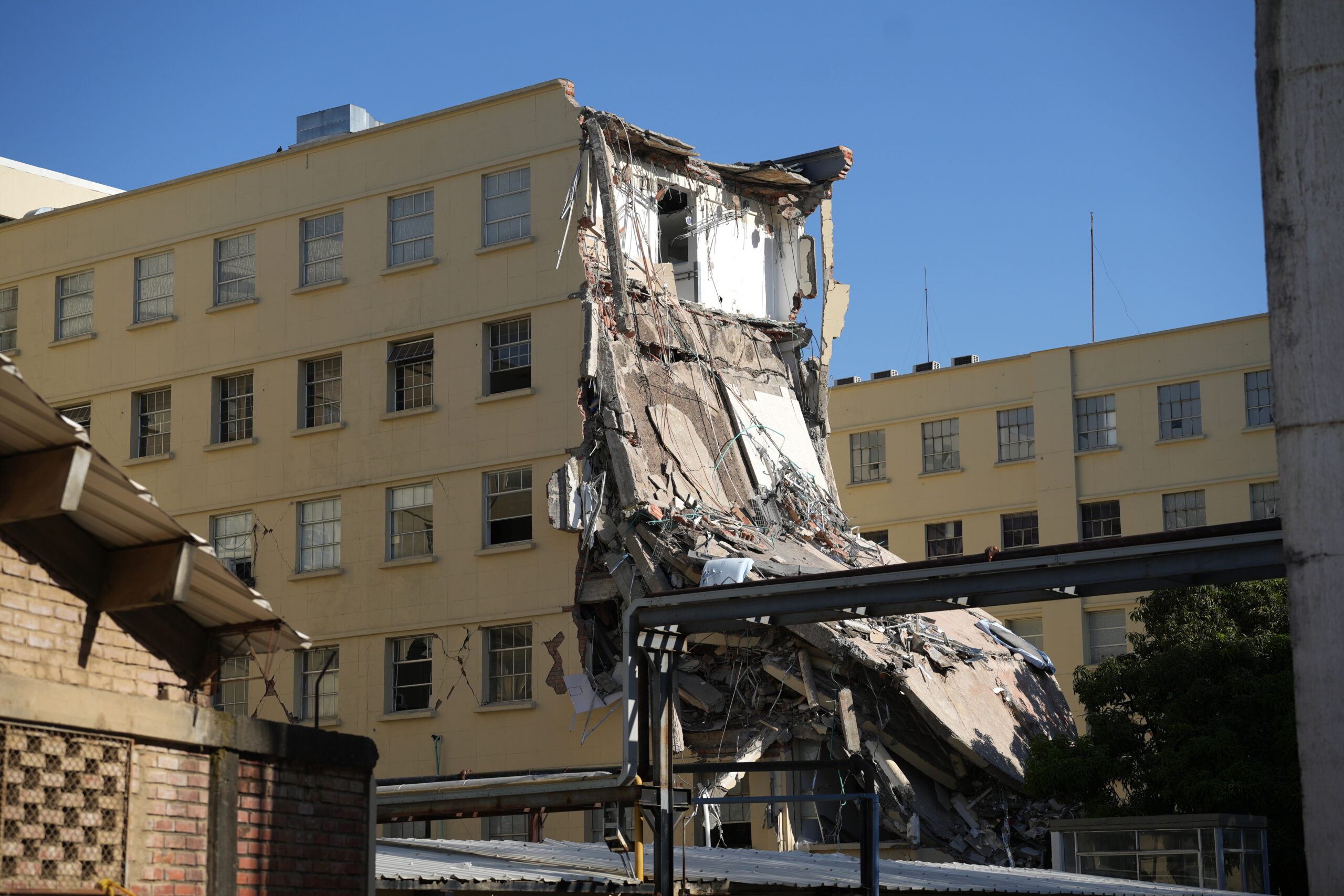
Rescuers in the city of Cali managed yesterday, Tuesday, to pull a 31-year-old woman alive from the rubble; who lived on the second floor of a five-story apartment building and was trapped when the building collapsed, nearly 30 hours after the devastating 7.4-magnitude earthquake that struck western Colombia early Monday morning (local time) and, based on the casualty reports so far from affected municipalities, claimed the lives of at least 254 people and caused dozens of buildings to collapse.
ΣΧΕΤΙΚΑ ΑΡΘΡΑ

Canadian Anne Carson Wins the Nobel Prize in Literature

A Look Back at Apollon’s International Soccer Players
Firefighter Santiago Sánchez explained to the media outlet Caracol that the rescue operation, which was extremely complex, lasted about 16 hours. Rescue team members had to dig “seven or eight meters” vertically into the mountain through the rubble to extract the young woman. Her condition is “good, given the circumstances,” he added.
Mr. Sánchez also said that 24 other people are believed to be trapped in the building, at least two of whom are known to be alive, and that the search and rescue operation was continuing.
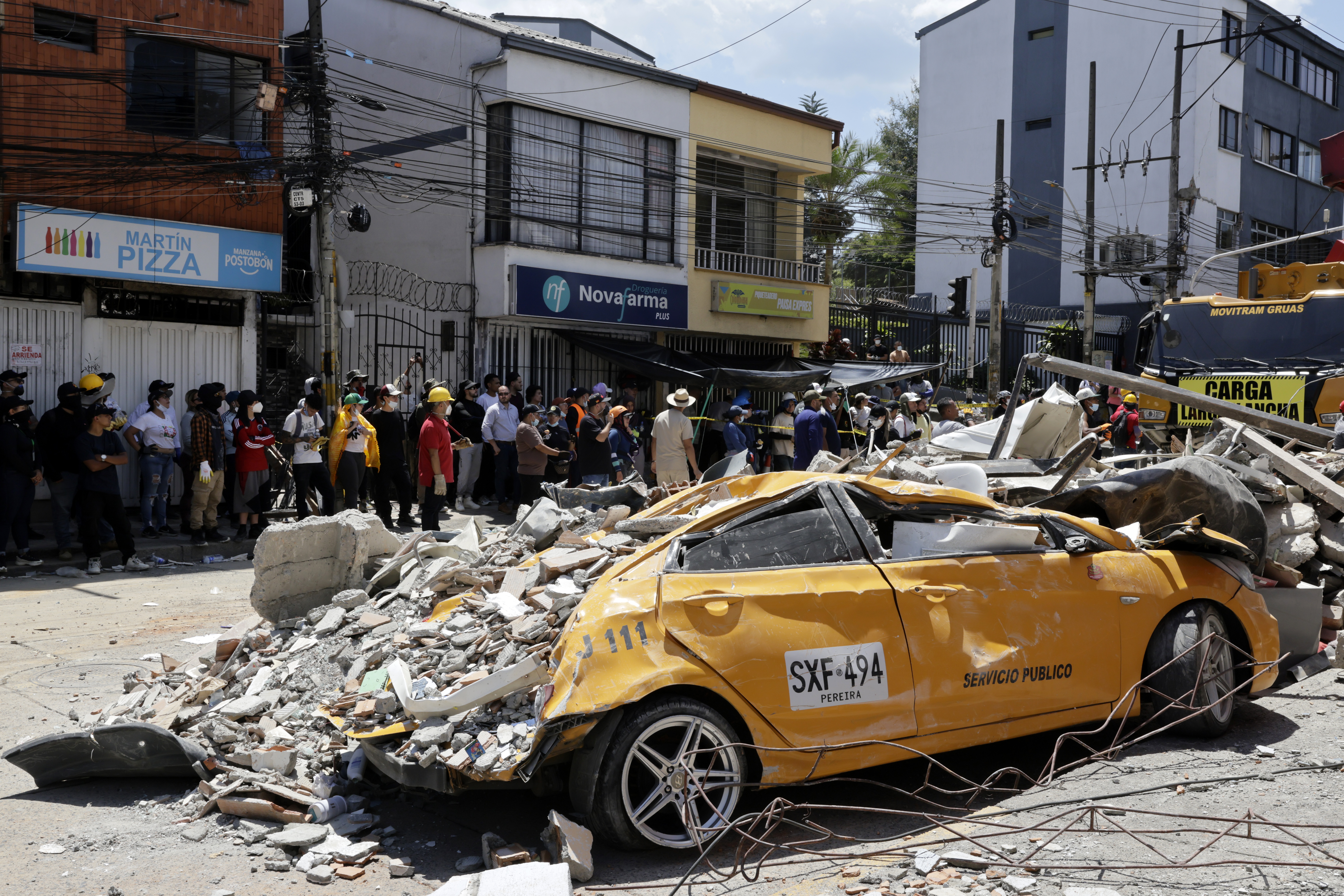
Elsewhere, rescue crews continued to search through the piles of rubble, occasionally shouting at onlookers to be quiet so they could listen for any signs that a survivor might be trying to communicate.
The 7.4-magnitude earthquake—the strongest in Colombia in at least the last decade—struck on Monday at 7:34 a.m. (local time; 3:34 p.m. Cyprus time) near San José del Palmar, in the western department of Chocó, on the country’s Pacific coast, at a depth of 103 kilometers.
According to estimates by the Reuters news agency based on data released by the affected municipalities, the death toll has reached 254, of whom 101 lived in Pereira, in the “land of coffee,” and 95 in Cali, Colombia’s third-largest city, with a population of 2.2 million.
At the same time, unofficial estimates—based on an online platform where people report that their loved ones are missing—indicate that the fate of some 4,000 people remains unknown.
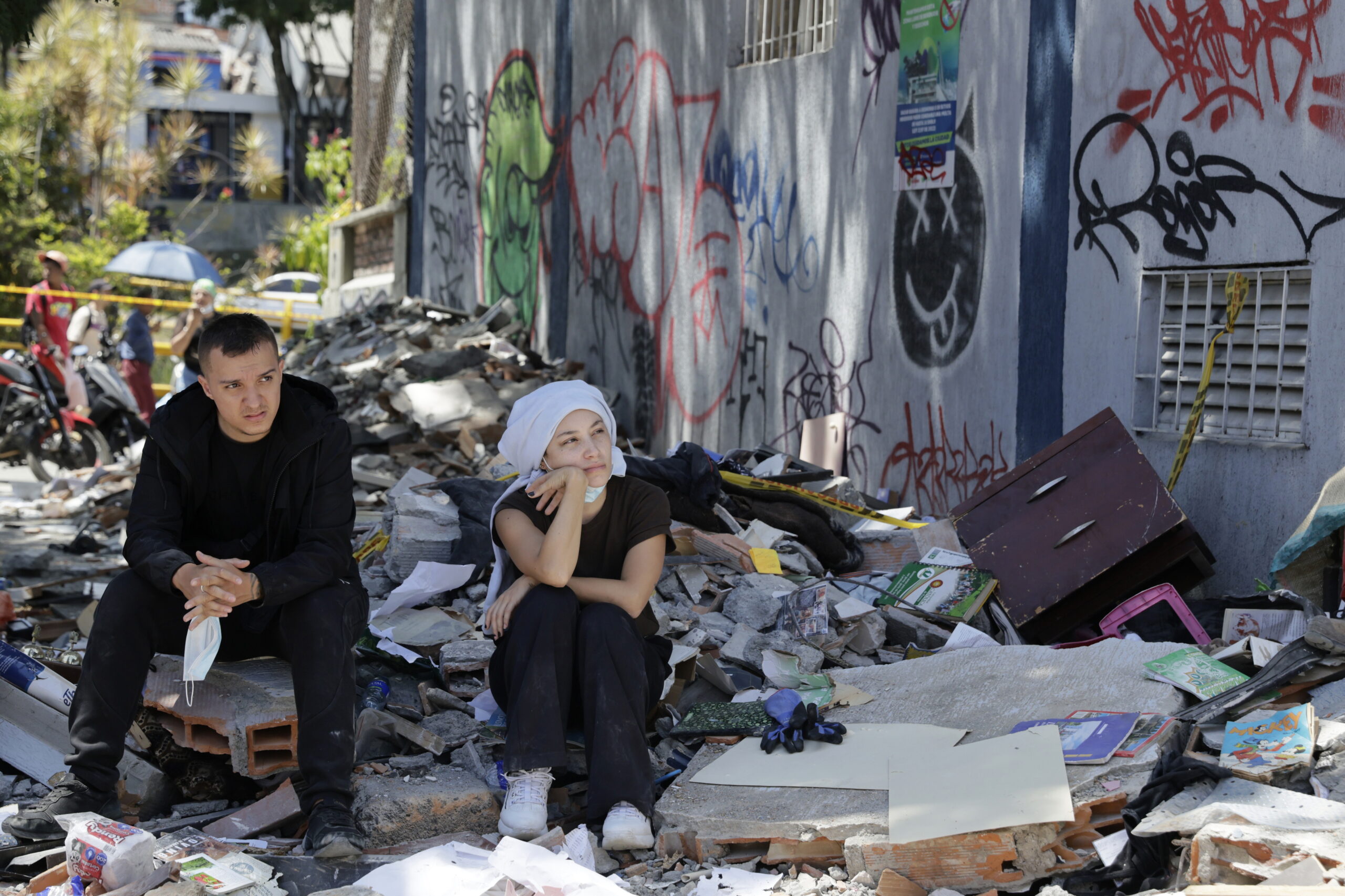
Experts believe that the critical window for locating and rescuing survivors after a major earthquake is generally 72 hours. Once this time has passed, the chances of survival decrease dramatically.
Professional rescuers, volunteers, some military personnel, specially trained dogs, and heavy machinery have been deployed to the rubble, working nonstop, while people are distributing food and water to victims and rescuers amid a wave of solidarity in the face of the disaster.
At the same time, a curfew has been imposed in some cities to prevent looting.
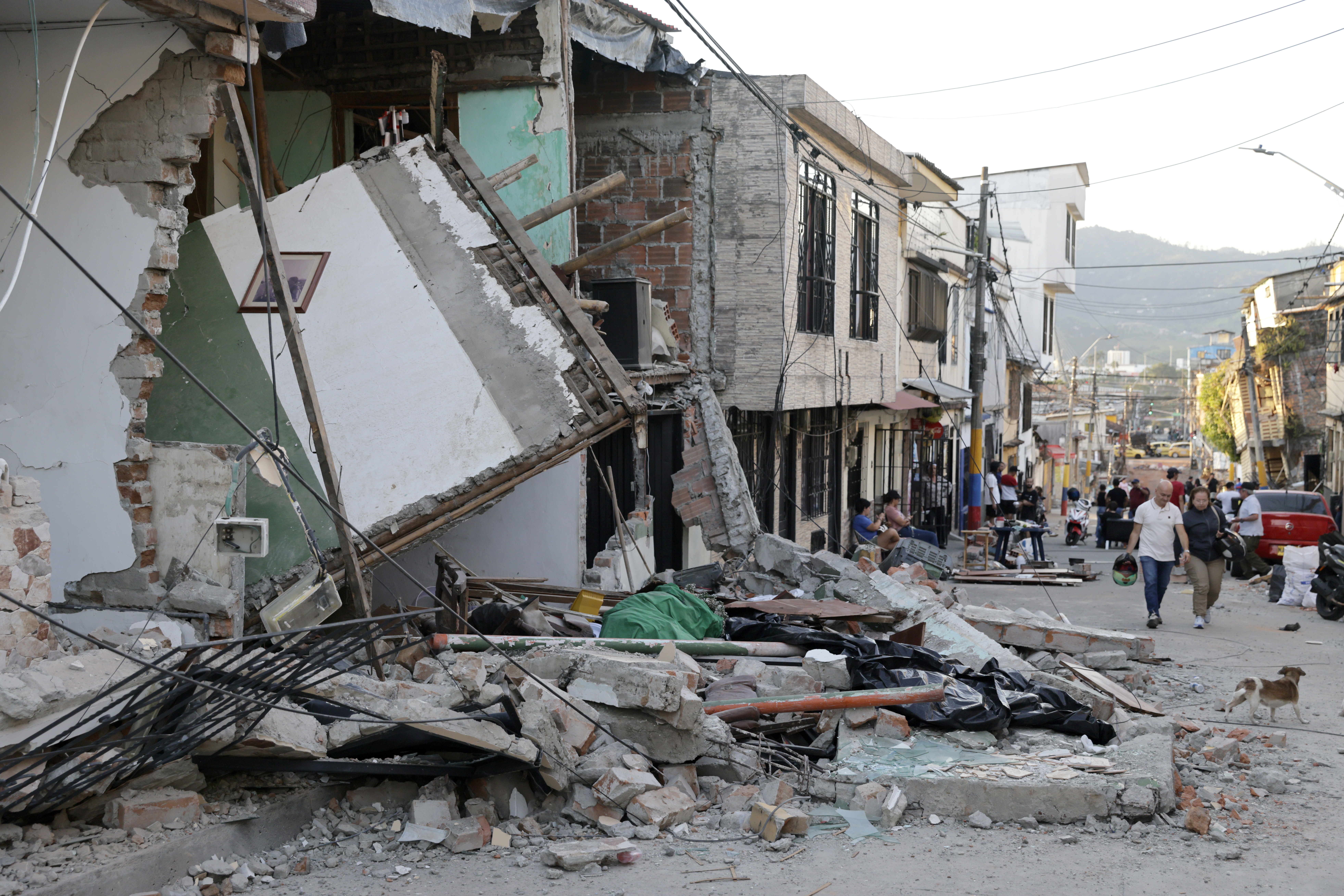
From above, some neighborhoods in Cali look as if they’ve been bombed. Mountains of rubble lie where houses and other buildings once stood. On the streets, cars look like children’s toys scattered here and there, some crushed by walls or concrete slabs.
Possible sign of life found amid the rubble in El Limonar: rescue workers step up search efforts.
Advertisement
Hope is growing in El Limonar, Cali. Around 7:20 p.m. on Tuesday, rescue teams reportedly found signs of life beneath the mountains of rubble. At this… pic.twitter.com/olhGwDU2ck
— EL TIEMPO (@ELTIEMPO) August 12, 2026
With pickaxes, shovels, and their bare hands, residents are rushing to help. They’re forming human chains to clear away the rubble. “We’re working together in the hope of saving even one life,” explains Javier Muñoz.
Hospitals in Cali have sustained damage. Part of the university hospital collapsed, forcing doctors to evacuate patients and, in some cases, treat them in nearby gardens.
In Cali, Pereira, and Manizales—in the tourist region known as the “land of coffee”— as well as in Quibdó—the cities hardest hit—an association of municipalities reported at least 1,600 injured and 240 destroyed buildings.
“We’ve lost everything”
In Pereira, most of the 480,000 residents are without power, and very few have internet access. Many spent the night outdoors, terrified by the constant aftershocks—more than 100 have been recorded. In a park, tents and mattresses have been set up for earthquake victims, or set up by the victims themselves.
“We’ve lost everything, but we’re alive,” said 23-year-old Joan Tabasco, who was camping in the park with his partner and their seven-month-old son. “It’s unbelievable how things can change,” he added. For many, the search for relatives has turned into mourning.
“My aunt used to live here. She’s under the rubble,” said Jorge González in front of the ruins of the collapsed building. “We haven’t been able to pull her out; there’s a gas leak,” and “as long as her body hasn’t been found, I have no intention of leaving here,” he added.
Others are mainly counting their material losses. “We’ve lost everything,” said Stella Galvis, who managed to escape from the building where she lived with her husband and child. “We survived by a miracle,” she sighs.
Colombia’s new president, Abelardo de la Espriegia, whose government is preparing drastic cuts to public spending, nevertheless promised subsidies to help thousands of earthquake victims who were left homeless find new homes, during his visit yesterday to Pereira, which had already been struck by an earthquake in 1999 that left nearly 1,200 dead.
International Aid
The devastating earthquake sparked reactions around the world. The U.S. government, an ally of the new right-wing president, announced $15.5 million in aid.
The European Union announced that it is activating its Copernicus satellites to facilitate rescue operations.
A newborn baby is rescued from the rubble following the earthquake in Colombia. Follow the latest updates live at https://t.co/K2jDqGiFq4 pic.twitter.com/GAggY7DONr
Advertisement— EL PAÍS (@el_pais) August 11, 2026
Pope Leo XIV said he was “shocked.” UN Secretary-General António Guterres expressed his “solidarity with the people and government of Colombia.”
The very powerful earthquake was felt as far as Ecuador, Panama, and Venezuela—the latter of which is still reeling from the double earthquake of June 24, with magnitudes of 7.2 and 7.5, the provisional death toll from which has exceeded 6,300.
These countries lie along the so-called Pacific Ring of Fire, a region with extremely intense seismic and volcanic activity due to the movement of tectonic plates beneath the earth’s surface.
Source: KYPE








