



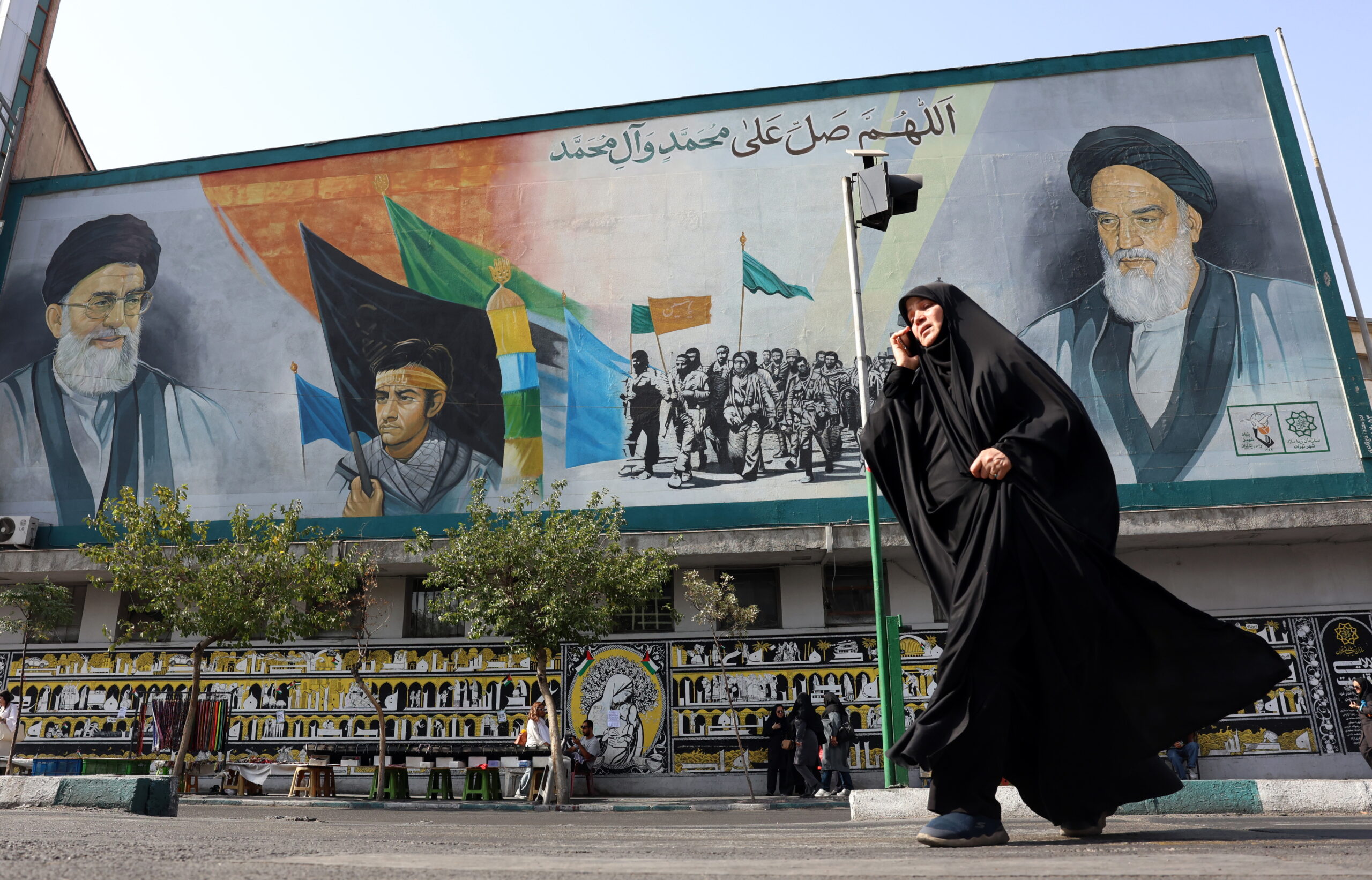
The war in Iran began with great intensity and heavy bombing, but six months after it began, it appears to be a conflict from which both sides want to extricate themselves, though they do not know exactly how to do so.
Following the 60-day agreement, which put an end to military operations—though with brief “lulls” of tension and attacks that jeopardized the ceasefire— the war is officially back in the spotlight—not with weapons, but with harsh statements promising the enemy… the worst.
ΣΧΕΤΙΚΑ ΑΡΘΡΑ

The Houthis attacked airports in Saudi Arabia

Threats with an eye toward November
The continuation of the war carries significant economic and political costs for both sides. For the U.S. president, it is a “thorn in his side” that he hopes to rid himself of by the November midterm elections, which he does not want to face with this “wound” still open. For the time being, there appears to be no plan to end the war, and statements oscillate between overoptimism about a solution and harsh threats against Tehran. Many analysts argue that these threats are not intended for the ears of the Iranian elite, but for those of American voters.
Trump “Promises” an Economic D-Day
The U.S. president, with his… unique perspective on history, “promised” an economic D-Day, presumably believing that this symbolic threat could lead to the end of the war, just as the Allied landing in Normandy did during World War II. And he didn’t just target Iran. On the Truth Social platform, the U.S. president warned that countries whose financial institutions, businesses, airports, or government agencies act as a “lifeline” for Iran will face “terrible economic consequences.”
Donald Trump spoke of the “most crushing economic warfare” ever waged against a country, foreshadowing “unprecedented” economic isolation.
He called for a halt to activities that could support the Iranian economy, including oil smuggling, currency transactions, fund transfers, currency exchange activities, ship registration agencies, and the operation of shell companies.
As early as last week, U.S. Treasury Secretary Scott Bessent had warned Tehran that it risked facing economic isolation on a scale “the world has never seen before.”
The Iranian regime, on the other hand, responded to Trump’s threats through its Foreign Minister,Abbas Araghchi, who stated that this was a diversion from America’s economic problems and warned that the additional pressure on his country would fail.
The Two Camps in Iran and Propaganda
Although the Iranian elite is trying to give the impression that it is in a position of strength, claiming to control the Strait of Hormuz —as does Donald Trump—it is certain that war comes at a high cost, one that affects everyone, from the leadership to the people. No one knows whether the country’s supreme leader is alive, and the regime’s propaganda is trying to convince people that he is alive using a video filmed many months ago.
At the same time, internal tensions within the country’s leadership are well known, with the more moderate factions viewing a deal that would end the war favorably, while the more hardline factions, such as the Revolutionary Guards, favoring an escalation of the conflict, since they believe that at this stage, it is the U.S. that is facing an impasse. What they have in common with the U.S. president are their tough statements, which are largely intended to boost the morale of the country’s citizens.
Diplomacy Back to Square One
Despite a relative decrease in the intensity of hostilities, the situation in the Middle East remains extremely tense, nearly six months after the war began.
Donald Trump has stated that no talks or negotiations of any kind are currently underway with Iran. According to an AFP source in Washington, contacts have effectively been suspended, while the U.S. president is reported to have asked his aides not to continue the dialogue with Tehran as long as it does not align with U.S. positions.
This development illustrates the depth of the diplomatic impasse, as the agreement reached between the two sides—which called for a 60-day ceasefire and negotiations toward a more lasting solution—collapsed after hostilities resumed in July.
Source: cnn.gr







