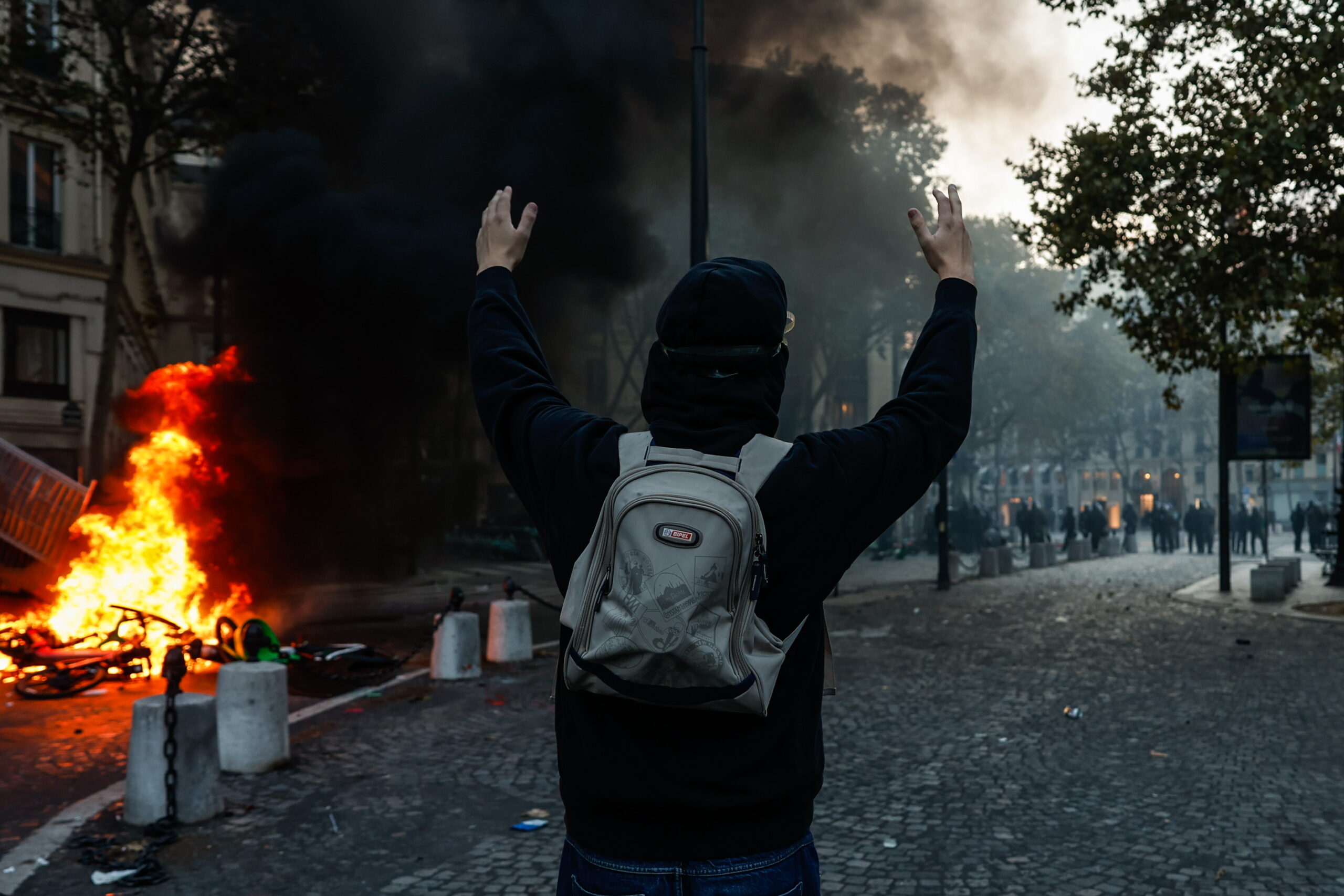




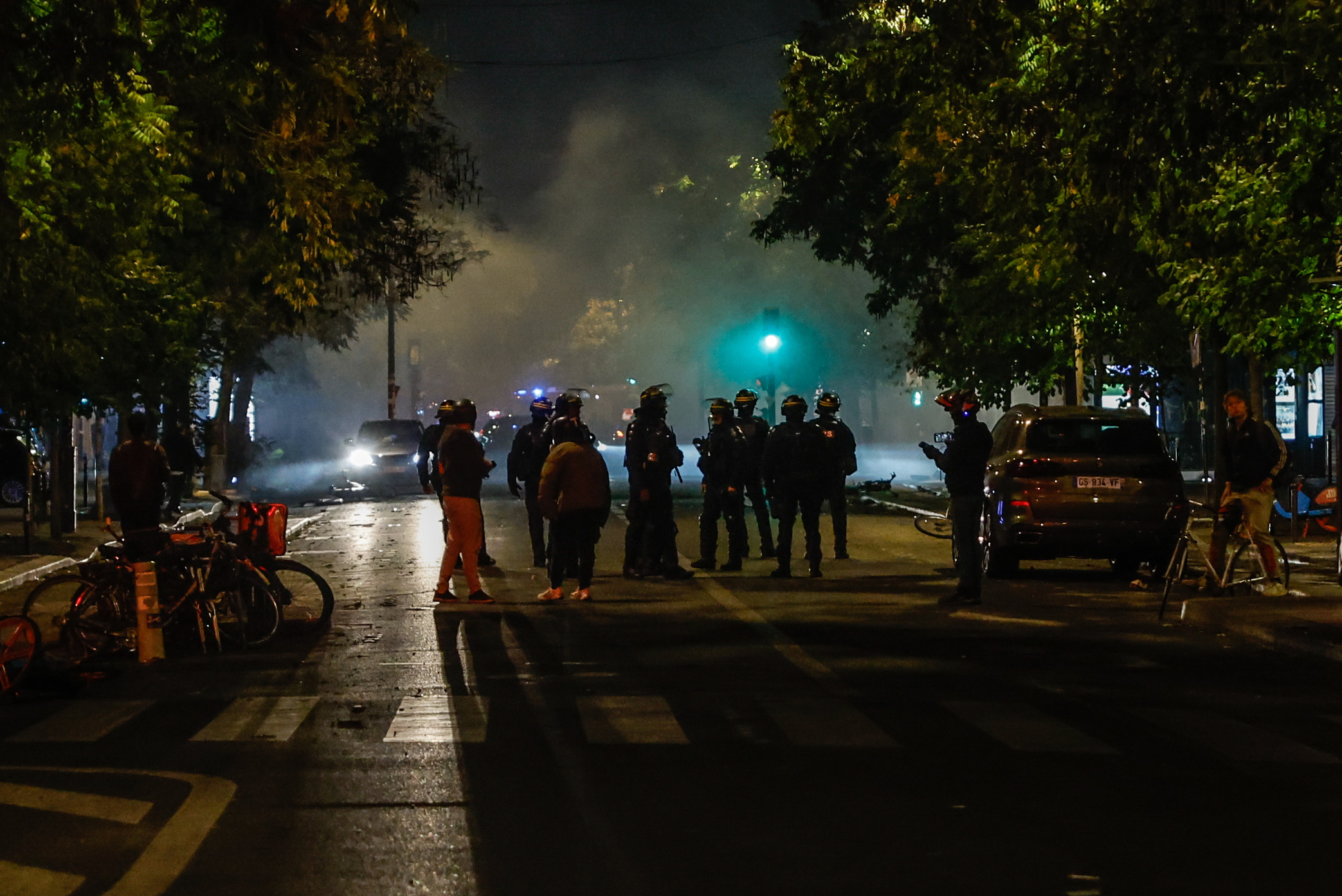
After a weekend that will go down in history as one of the most violent France has experienced in recent years, the government is now attempting to regroup and, above all, to show the public that it has the situation under control.
On the one hand, there are assurances to business owners affected by destruction and vandalism that immediate assistance will be provided; on the other, there are stern announcements that those responsible for the riots will be punished. Paris, however, woke up to a bleaker scene, with city crews and shop owners out cleaning the streets of the signs of destruction.
ΣΧΕΤΙΚΑ ΑΡΘΡΑ
Protesters blocked access to the Louvre
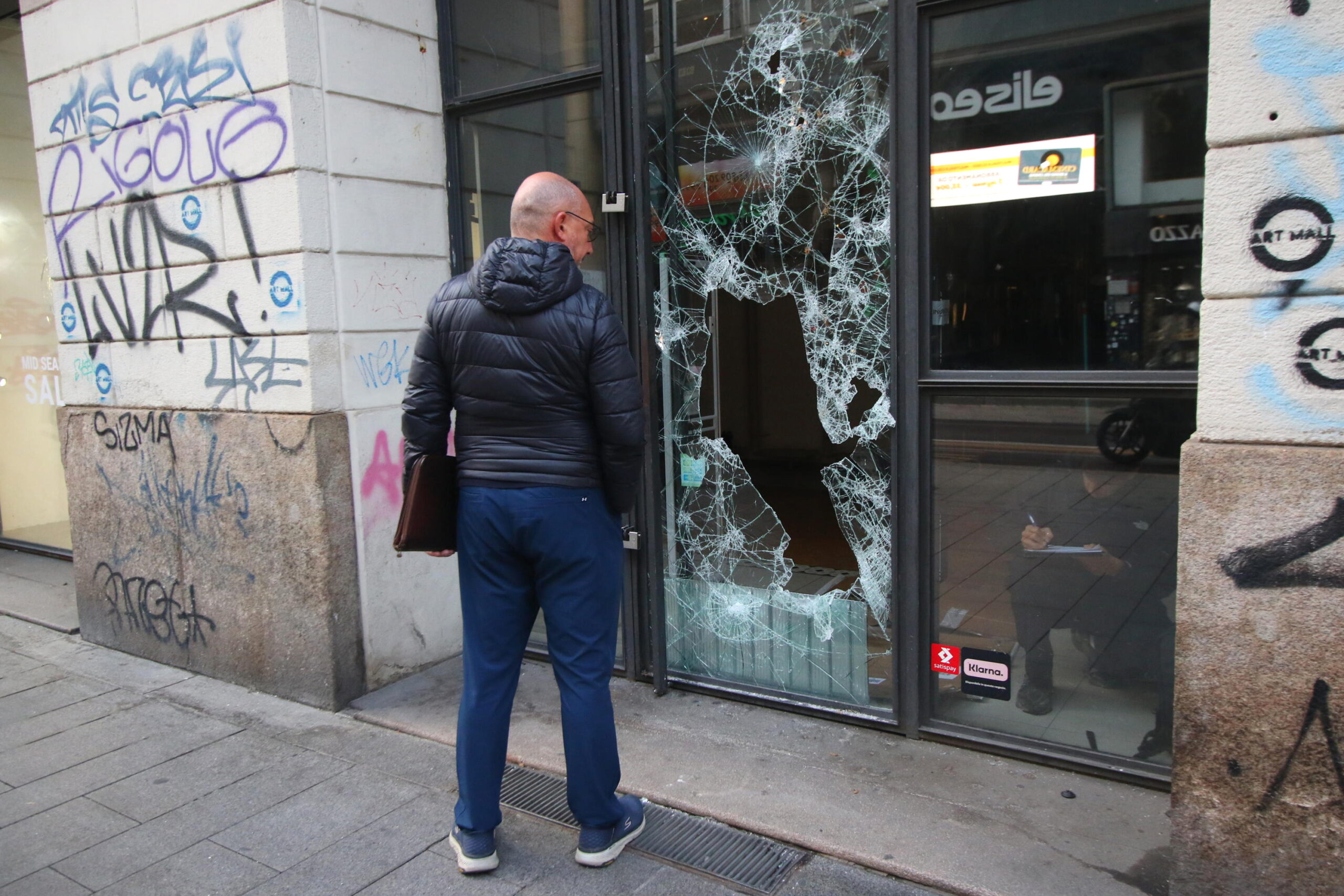
Thirty-two arrests and 271 detentions of violent protesters in Milan
More than 2,400 people have been arrested, and the adults among them face severe penalties, as authorities are searching video footage for evidence of their guilt. Meanwhile, Prime Minister Sébastien Lecornu left open the possibility of local curfews in consultation with the regional governors of specific areas, if deemed necessary. He ruled out the possibility of a citywide curfew for all of Paris, but on the other hand, he left open the possibility of declaring a state of emergency in the country if the situation escalates further.
In any case, tomorrow’s match between Paris Saint-Germain and Barcelona will go ahead as scheduled, although there were initial considerations about postponing it. According to announcements by the relevant authorities, cultural events— concerts, and theater performances will proceed as scheduled, while many businesses have stated they will remain open in an effort to help Paris return to normalcy. It is in this spirit, apparently, that Emmanuel Macron did not accept the resignation of Interior Minister Laurent Nounier.
Calls for New Protests
However, calls for new protests this coming weekend are circulating online from various local groups and initiatives. In fact, this is how the protests of the past three weeks began, culminating on Saturday. For now, there have been no similar announcements from the major labor unions, but the government fears the possibility that the authorities might once again be caught off guard by such online calls, which often take on an unpredictable momentum.
The Macron government is reportedly willing, once again, to invite both student organizations and labor unions to a dialogue, in order to discuss the problems facing the education sector, as well as the broader issue of the cost of living, which concerns millions of French people, regardless of their political views. The official representative bodies of high school and college students have, in their statements, distanced themselves from the “troublemakers” whose actions caused chaos and tarnished the protests, which generally proceeded peacefully before the “hooded” individuals intervened.
Macron’s Misguided
Responses
Regardless of current developments, however, the post-event analysis focuses on the political consequences that October 17 will have on political developments in the coming months and, of course, on the presidential election in about six months. The most level-headed observers attribute a significant share of the blame to President Macron for the fact that French society has essentially been in a state of constant turmoil in recent years. They accuse him of struggling to grasp what is really happening in society and to provide satisfactory answers to the concerns of the French people.
The fact that people of different ages and social groups—as well as individuals who until now were considered apolitical—took part in the rallies shows just how widespread the discontent is. Finally, there is also the fear that by choosing to target “far-leftists” in his address, he played right into the hands of to Marine Le Pen, who from the very start of the riots chose to focus on the issue of “law and order” rather than on the substance of the protesters’ demands.
Source: Proto Thema