



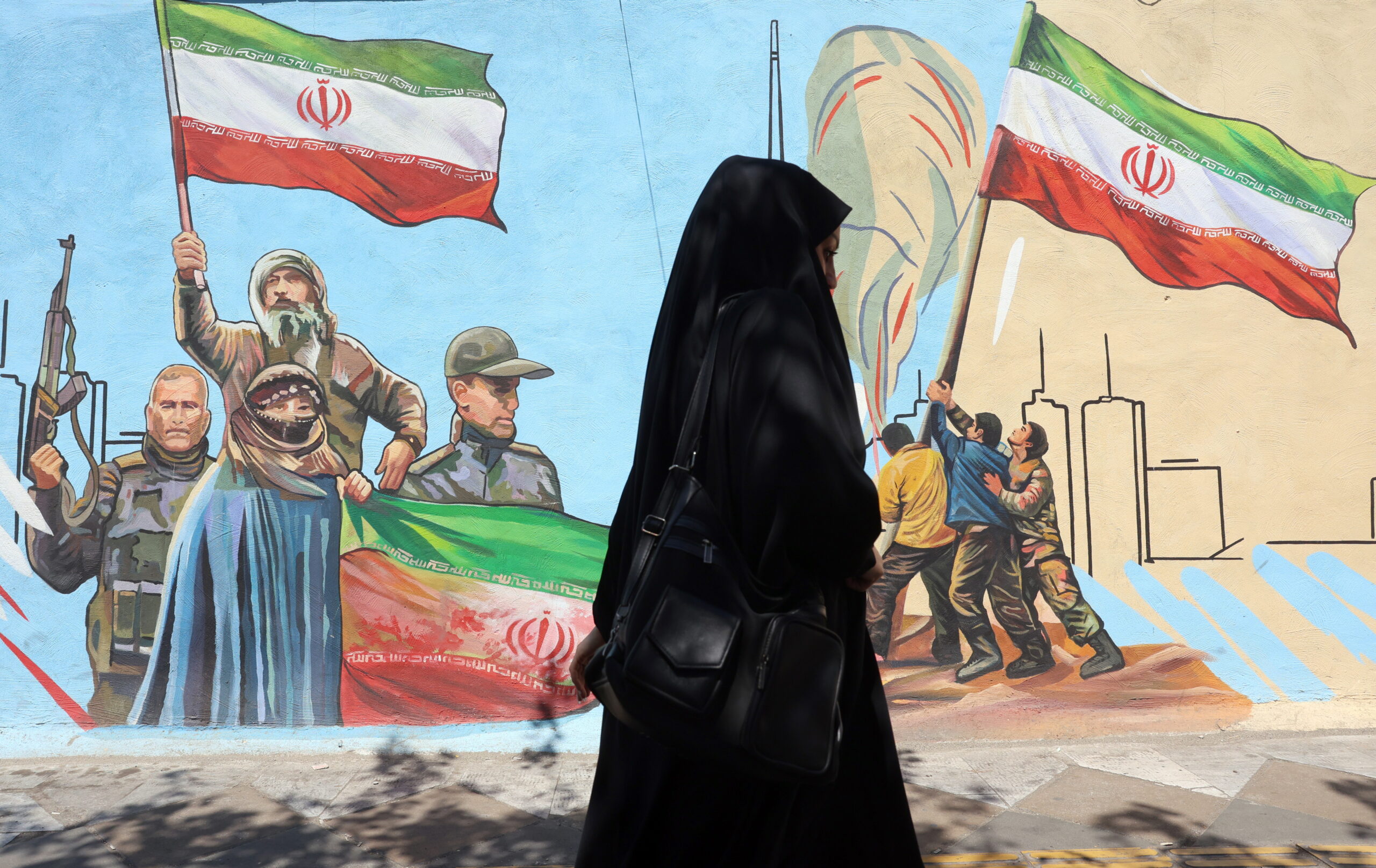
The Middle East is once again on the brink of war, with Tehran claiming that the U.S. has decided to resume military operations against Iran and warning of “painful” strikes against U.S. bases and interests in the region.
Specifically, the Central Command “Hatem al–Anbiya of the Iranian Armed Forces announced that it possesses information indicating that the United States has decided to resume military operations against the Islamic Republic. According to the command, the decision was made during a joint meeting held in a European country and received the “green light” from certain Middle Eastern countries.
ΣΧΕΤΙΚΑ ΑΡΘΡΑ


The statement notes that, if the U.S. proceeds with military action, all of its bases and interests in the region will face “continuous, effective, and painful attacks, without any restrictions or reservations.”
SEE ALSO: U.S.: Urgent warning to citizens in the Middle East; Trump returns to the White House
Furthermore, the Iranian leadership is addressing neighboring countries directly, warning that if they continue their “double-dealing” and side with Washington against Iran, they will be considered fully complicit in these actions and, in that case, “they can no longer expect restraint from the Iranian Armed Forces.”
Alongside the military’s warnings, Mohsen Rezaei, secretary of Iran’s Supreme National Security Council, spoke yesterday about efforts to end the conflicts in the region. As he stated, Iran wants an end to the war between Saudi Arabia and Yemen and is engaging in diplomatic efforts with the U.S.
Rezaei asserted that Tehran had conveyed its conditions for ending the war to the Americans via Qatar and is now awaiting a response from U.S. President DonaldTrump. He clarified that “Tehran remains committed to Supreme Leader Ali Khamenei’s fatwa against nuclear weapons, and we have not changed our nuclear doctrine.”
The statements by the Speaker of the Iranian Parliament, Mohammad Bagher Ghalibaf, who stated that “until Tehran’s conditions are met, the Strait of Hormuz will remain closed.”
SEE ALSO: Iran: States that the Strait of Hormuz will remain closed until its conditions are met
Due to heightened tensions in the region, the U.S. government issued an urgent warning to its citizens, urging them to reconsider travel to the Middle East and warning of a complex security environment and a real risk of unpredictable escalation.
Washington urged U.S. citizens in the region to exercise increased vigilance, primarily due to the risk of widespread travel disruptions, sudden flight cancellations, and airspace closures.
At the same time, the White House is warning of a series of specific security threats, chief among them the activities of the Iran-backed Houthi rebels in Yemen. According to the report, the fierce clashes between the Houthis and Saudi Arabia and the attacks they have carried out—including direct strikes on civilian airports— could trigger a rapid escalation.
Furthermore, there is intense concern within U.S. intelligence agencies that diplomatic facilities, businesses, and American institutions around the world could be targeted by Tehran or organizations affiliated with it.
The attacks in Saudi Arabia
On Saturday, the Iranian-backed Houthis in Yemen, who have made significant territorial gains along the Red Sea coast following the resurgence of the civil war in the country this month, announced that they had carried out strikes on the Saudi Arabian capital, Riyadh, as well as on a major oil facility at the port of Yanbu on the Red Sea.
A Reuters video showed a huge cloud of black smoke rising from the area of Riyadh’s main international airport, after loud explosions were heard overnight in the Saudi capital.
Saudi Arabia has not commented on the incident or the Houthis’ claims, although the coalition fighting the Houthis announced that it had thwarted other attacks against the kingdom. The State Department’s warning referred to the Houthis’ hostilities against Saudi Arabia, including attacks on civilian airports.
The recent escalation by the Houthis has left Riyadh facing a difficult dilemma: to continue airstrikes against them in order to prevent the capture of more territory in Yemen, or to back down, in the hope of avoiding drone attacks on critical infrastructure.
The Houthis’ territorial gains along the coast mean that their forces are now in the Bab el-Mandeb Strait, a fact that allows them to more easily control shipping between the Red Sea and Asia and enables them to block that sea route.
Since Iran has already blocked most shipping traffic through the Strait of Hormuz, energy exports from the oil-rich Gulf countries have now been virtually cut off from global markets, putting further pressure on international oil prices.
Source: skai.gr





