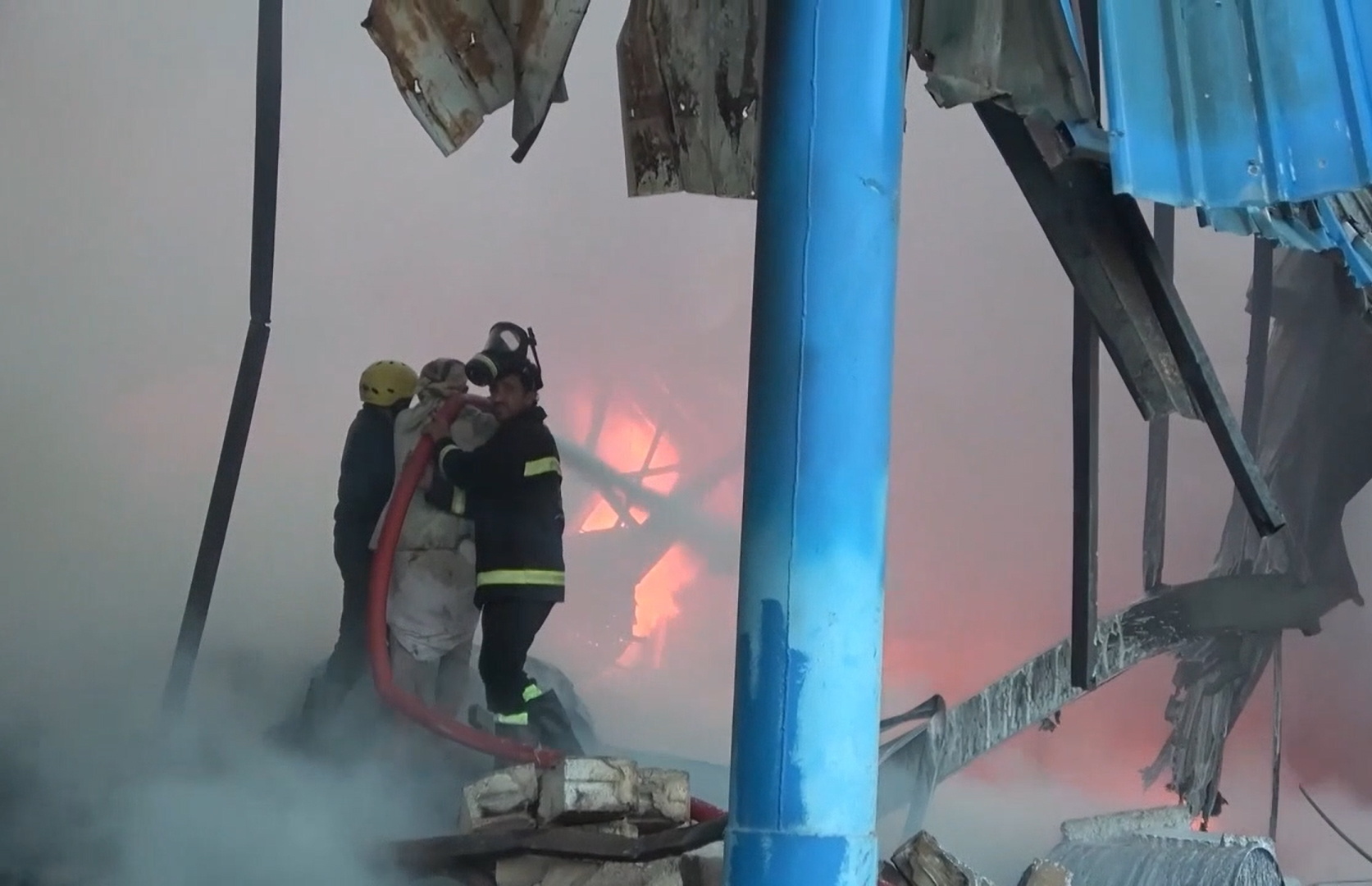
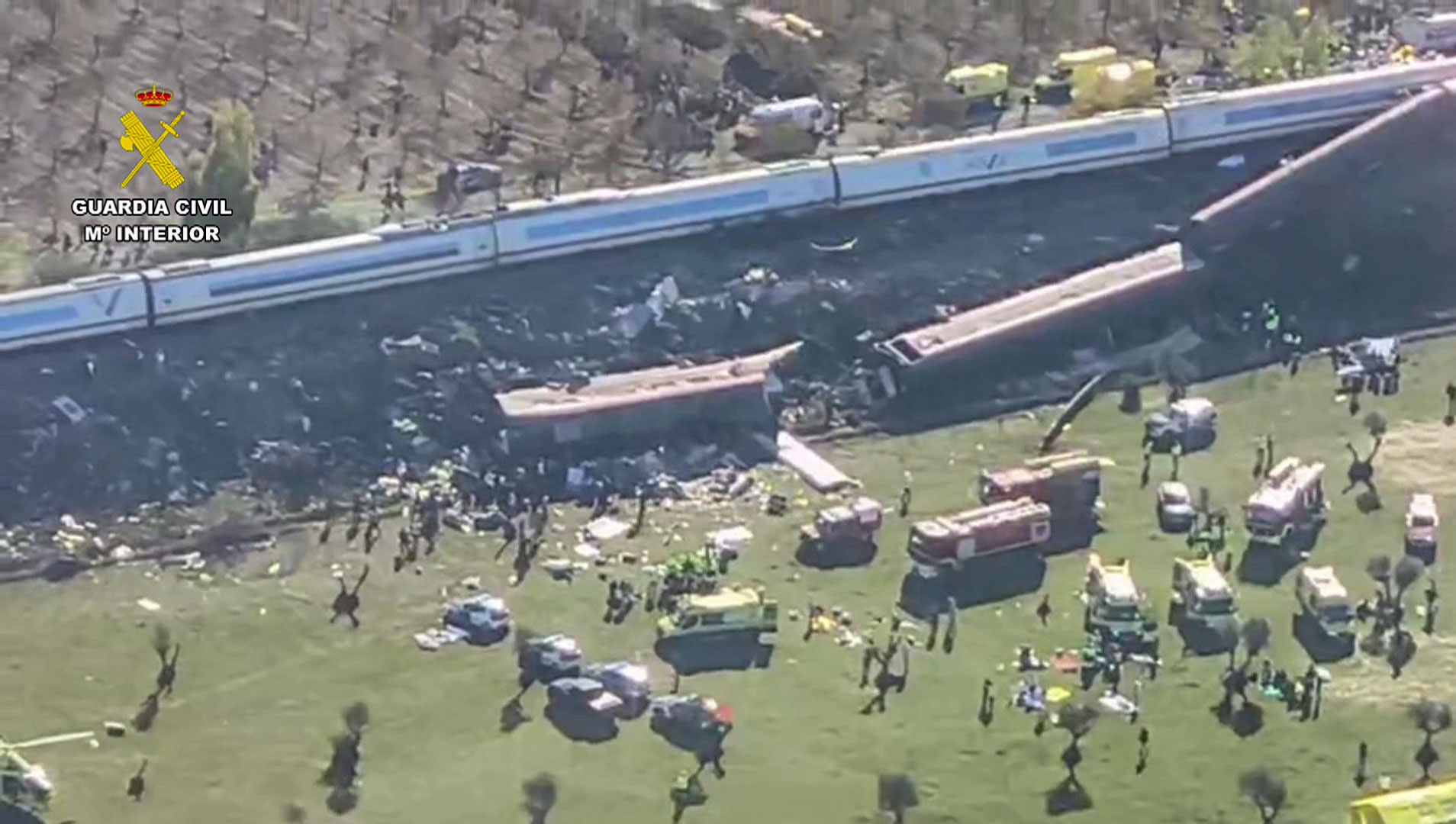
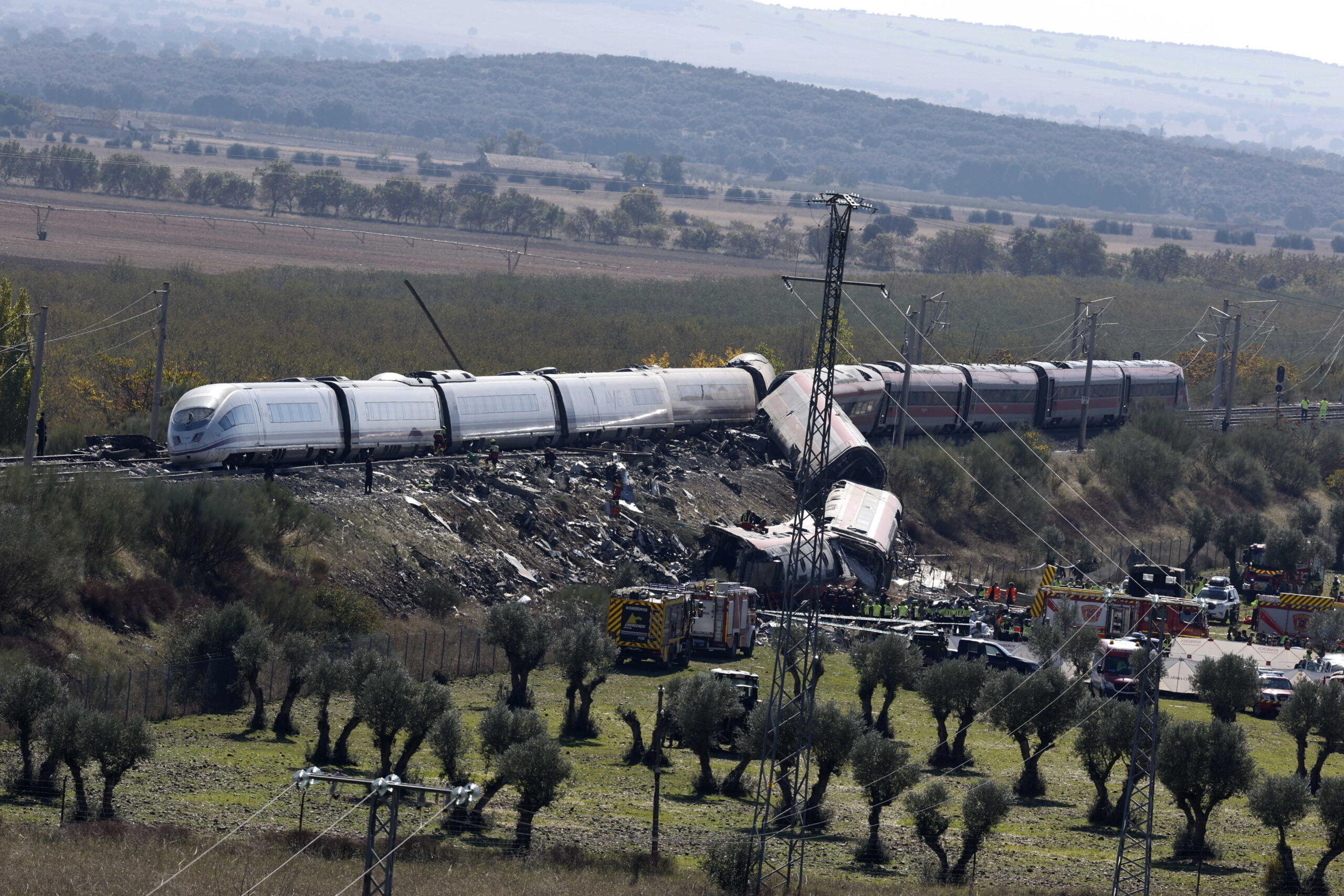
Audio clips from the control center at Madrid’s Atocha station, which took over control when the trains came to a sudden stop due to a malfunction in the LZB safety system, reveal the events leading up to the deadly train tragedy in Spain.
Specifically, according to El País, the recordings show that the traffic controller allowed two trains to continue at normal speed, despite the problems with the safety system, while failing to warn the following train that the train ahead remained stationary.
ΣΧΕΤΙΚΑ ΑΡΘΡΑ

Omonia: Koulibaly’s absence… highlights his value
SEE ALSO: “There was an active red signal” and they let it pass: Human error behind the tragedy in Spain
These consist of two communications between the Iryo train driver and the Atocha dispatcher, as well as a conversation between the same dispatcher and the AVE train driver, which was approximately 25 kilometers behind the first train.
— EL PAÍS (@el_pais) October 28, 2026
TV en DIRECTO | Los servicios de emergencias trabajan en el accidente de dos trenes de alta velocidad en Toledo https://t.co/0m11Gg8ui9
According to the audio recordings released by the Spanish media outlet, the dispatcher instructed the AVE to resume its “normal route,” rather than proceeding with visual monitoring of the track and a maximum speed limit of 40 kilometers per hour, as required by safety protocol.
The Iryo train operator received a similar instruction. However, a few minutes later, she informed the control center that she could not get her train moving again. Despite this warning, the AVE was not instructed to slow down or stop, even though there were approximately five minutes left until the collision.
SEE ALSO: “We Could Hear People Screaming”: Shocking Testimonies from Survivors of the Tragedy in Spain

The critical conversation
The audio recording of the communication between the Atocha control center and the AVE train driver lasts more than five minutes.
At the beginning of the conversation, the controller appears uncertain about the procedure to follow. Ultimately, however, he issues a clear order, which, according to the Spanish government, violates the established safety protocol and is directly linked to the circumstances that led to the accident.
Specifically, the controller allows the AVE to continue on its route without first confirming that the leading Iryo had moved to a safe distance of more than 30 kilometers.
Toward the end of the communication, the two men verbally confirm the instructions to ensure that they have understood the same information.
Los audios muestran el error del responsable de Atocha. La maquinista del Iryo avisó a cinco minutos de la tragedia de que estaba detenida y no podía arrancar el tren. Y nadie frenó al AVE https://t.co/pHPN68sMPG https://t.co/V6QyOHxh19
— EL PAÍS (@el_pais) October 28, 2026
The dialogue goes as follows:
Controller: “Atota Control Center to the engineer of train 2080.”
Train Driver: “Yes.”
Controller: “At 08:36.”
Engineer: “Yes.”
Controller: “Engineer of Train 2080, disconnect and reconnect the LZB. Continue on your route and then proceed according to the BSL, on the normal route.”
Train driver: “On the normal route?”
Controller: “Yes.”
According to the Spanish government, this is where the first serious error occurred: at 8:36 a.m., the AVE was instructed to continue on its route without verifying that the Iryo had been removed from that specific section of the track.
Furthermore, the instruction called for normal operation rather than the implementation of the “visual supervision” procedure, with a speed limit of 40 kilometers per hour, which could have prevented the collision.
At least 68 people have died after a high-speed train crashed into the back of another stationary train in Spain. Sky’s Lucy Marley explains what we know about the cause of the crash. https://t.co/NPlgOriAsg https://t.co/RYjspv3Ndc
— Sky News (@SkyNews) October 28, 2026
At 8:41 a.m., the Iryo train operator reported that the train had come to a stop
The second audio recording concerns the first communication between the Iryo train driver and the Atocha control center at 08:41.
The train operator reports that communication with the BZL system has been lost and that her train remains stopped in front of the entry signal at Urda.
“Good morning, Atocha. I lost transmission while operating under BZL. […] I have not regained transmission. I am immobilized in front of the entry signal at Urda,” she reports.
After a series of unclear messages, the dispatcher proceeds to issue instructions, asking the train operator to confirm them.
Dispatcher: “Okay, just a moment. The instruction reads: Driver of train 6076, disconnect and reconnect.”
Train Operator: “And reconnect.”
Controller: “Resume the journey, under BFL protection, at normal speed.”
Thus, the controller also instructs the Iryo to continue as normal, even though it is ahead of the AVE and at a relatively short distance from it. This instruction is given a few minutes after the corresponding command to the Renfe train.
Seguimos trabajando en el siniestro con 10 dotaciones movilizadas. Tras el rescate inicial de varias víctimas, realizamos una compleja maniobra de elevación de vagones con grúas de gran tonelaje para crear nuevos accesos y continuar las labores de rescate. https://t.co/49dqoQ5SeI
— Bomberos Madrid (@BomberosMad) October 28, 2026
At 08:48, the final warning before the collision
The third audio recording, made at 08:48, is considered particularly important, as it captures yet another communication during which measures could have been taken to prevent the accident.
The Iryo train operator calls the control center again and reports that she is still unable to restart her train.
Train driver: “The train won’t let me check the LZB system. That’s why I’m still stuck in front of the entry signal.”
Dispatcher: “Okay. Understood? Well, as soon as you can. And if you run into any problems, call us again.”
Train Operator: “Okay, great. I’ll let you know.”
Although the dispatcher is informed that the Iryo remains immobilized, he does not appear to take any immediate action to stop the following AVE.
Confusion at the control center shortly before the accident
Following the last communication with the Iryo train’s engineer, an internal conversation among control center staff was recorded, reflecting confusion regarding the status of the trains and the instructions that had been given.
“Seriously, man. For real. The 6071 is having equipment problems. It’s continuing until it stops. It had a 40 limit to continue to BSL. We haven’t changed… Wait a minute,” one of the employees can be heard saying.
About five minutes after that conversation, the AVE collided with the stationary Iryo. At least 68 people lost their lives and 58 were injured.
Source: Proto Thema