



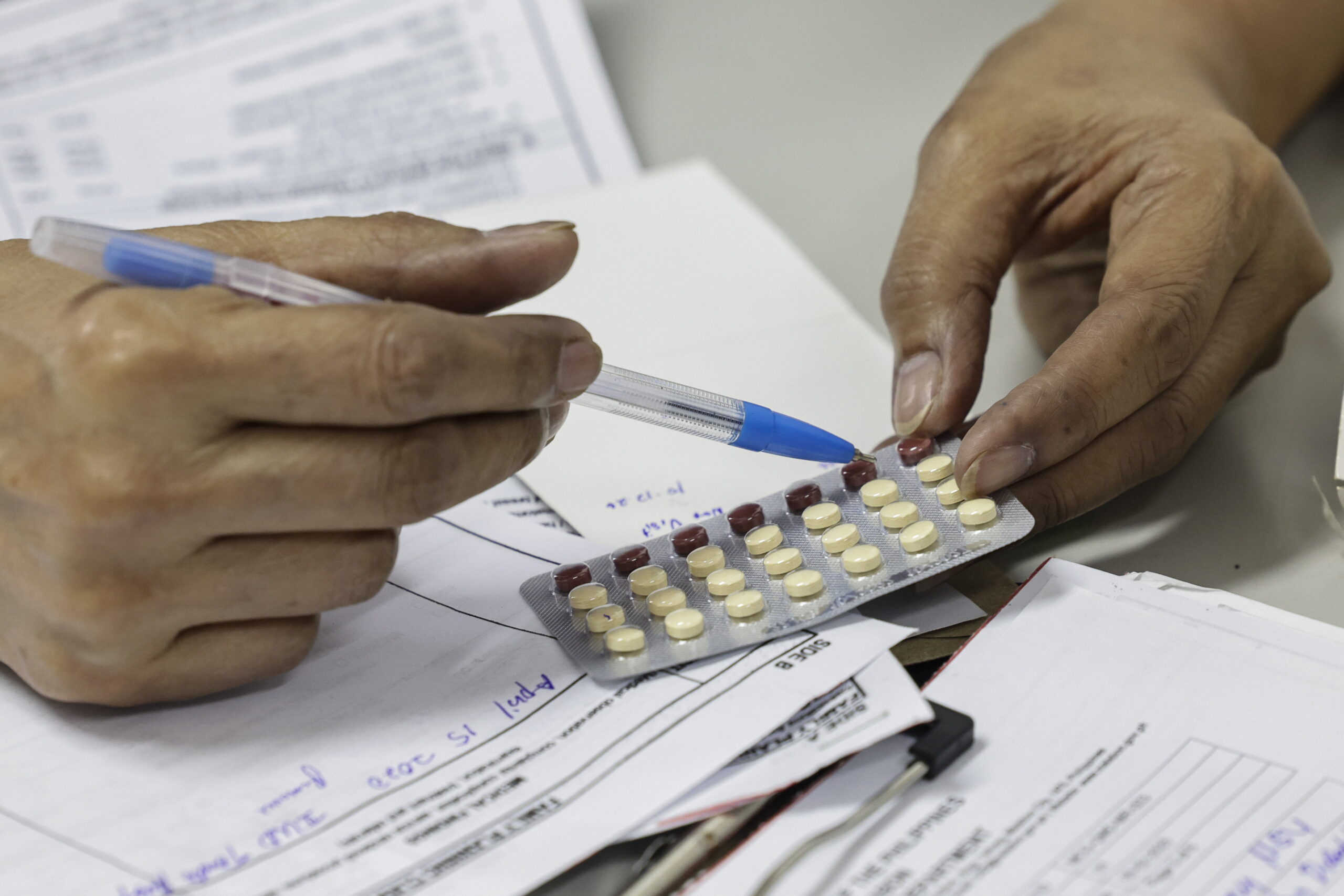
“A wake-up call” about the reckless use of antibiotics and the ever-increasing consequences of antimicrobial resistance is sounded by Dr. Zoe Pana, Professor of Pediatrics and Epidemiology and Dean of the School of Medicineat the University of Nicosia, Dr. Zoe Pana, is sounding the alarm, emphasizing that antibiotics should not be administered without a medical evaluation and a specific indication.
Speaking on the Alpha News program, on the occasion of World Antimicrobial Awareness Week, from November 18 to 24, she pointed out that Cyprus, like Greece, faces a serious problem, as hospitals are recording cases of infections that are particularly difficult to treat due to a lack of effective antibiotics. “There isn’t a single hospital that doesn’t have patients being treated for infections that are difficult to treat because there are no antibiotics available,” she noted, describing it as tragic that this is happening in 2026.
ΣΧΕΤΙΚΑ ΑΡΘΡΑ


Dr. Pana sent a clear message to parents and the general public, emphasizing that antibiotics are not medications that should be taken at the first sign of a fever or cold symptoms. As she explained, the overwhelming majority of infections during the winter season are viral—accounting for more than 90 percent—and therefore, administering antibiotics offers no benefit. On the contrary, it can disrupt the body’s normal microbial flora and contribute to the development of resistant microbes. He also warned against the practice of self-medicating with antibiotics left over at home or obtained from relatives and friends, noting that an improvement in symptoms after two or three days does not necessarily mean that the patient has benefited from the medication, as a viral infection might have resolved on its own anyway. At the same time, he emphasized that when an antibiotic is prescribed, the treatment must be followed strictly, without arbitrarily stopping it just because the patient feels better.
National Platform for Hospital-Acquired Infections
Referring to the collection of data on antimicrobial resistance, Dr. Pana highlighted significant steps currently underway in Cyprus, including the creation of a national platform for the mandatory reporting of hospital-acquired infections by hospitals. As she noted, the platform has already been launched on a pilot basis in certain hospitals, while antibiotic usage and the level of compliance with hand hygiene protocols will also be recorded. The goal is to collect reliable national data that can be utilized at both the local and European levels. However, he noted that there remains a gap in the recording of antibiotic use in the community, highlighting the need for corresponding systematic monitoring.
Regarding the development of new antimicrobial drugs, he explained that, despite the fact that newer formulations are available to treat resistant microorganisms, there is a constant “cat-and-mouse game,” as microbes adapt to the drugs and gradually develop resistance even to them. He also pointed out that some of the newer drugs are extremely expensive, with the cost of a course of treatment potentially reaching thousands of euros. For this reason, he emphasized the need for prudent use of available antibiotics, as well as for prescribing newer formulations only when absolutely indicated, based on scientific guidelines.








