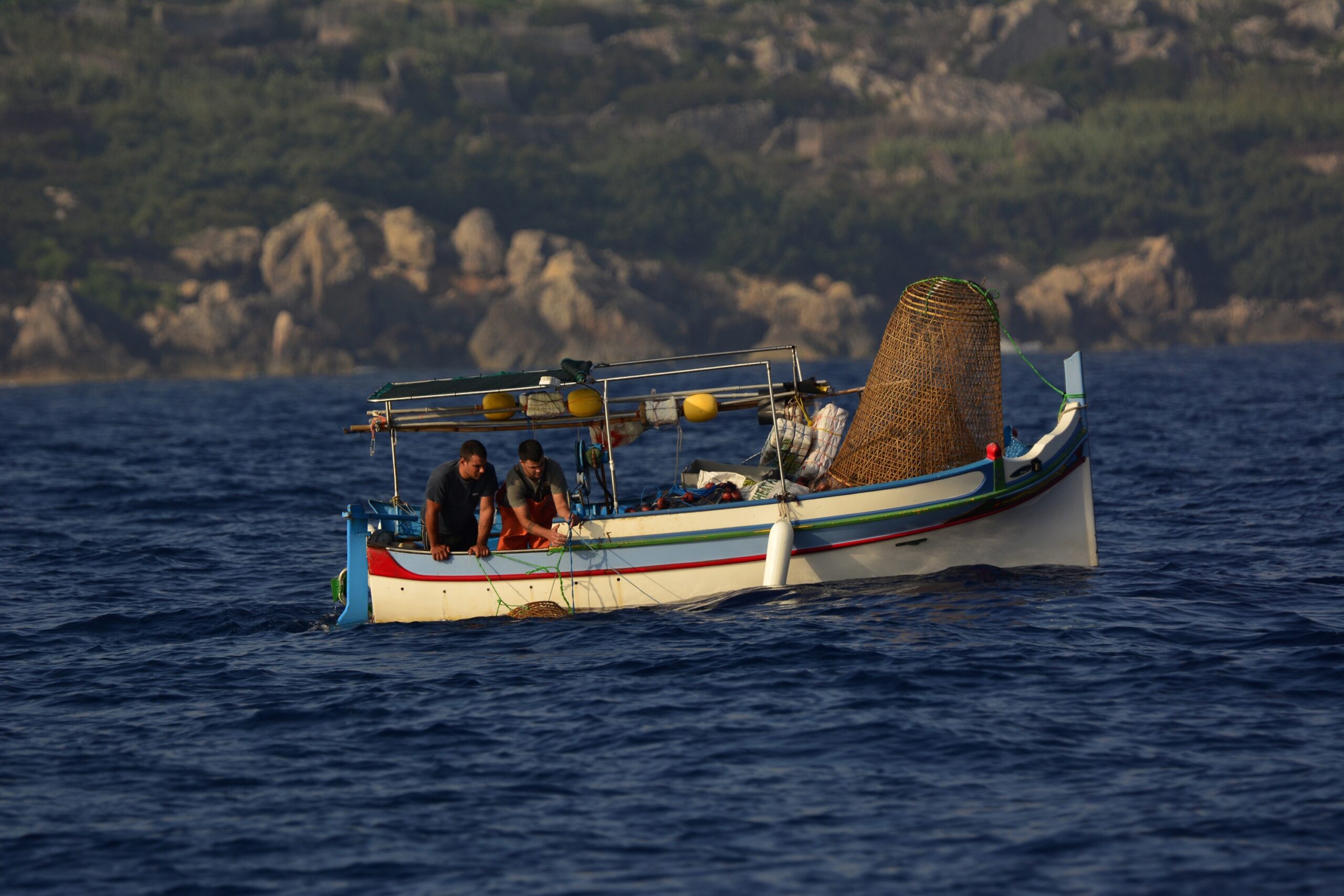
Following the conclusion of the high-level conference on islands and coastal communities, organized by the Cypriot Presidency of the Council of the European Union, Oceana calls on the EU to leverage the upcoming Ocean Act (Ocean Act) to ensure that low-impact fishermen have preferential access to coastal waters over industrial fishing fleets. As the international organization emphasizes, such an approach will support local economies and strengthen the resilience of coastal ecosystems in the face of climate change and other pressures.
“Low-impact fishers play a crucial role in strengthening coastal communities by generating income, providing local fish, and preserving their traditional way of life. It is no coincidence that the conference on islands and coastal communities was the last high-level event of the Cypriot Presidency, just a few days before Ireland, another island nation, was set to assume the rotating Presidency of the Council of the European Union and continue this critical shift in how marine resources are managed and utilized,” said Vanya Vulperhorst, Oceana’s Head of Campaigns in Europe.
ΣΧΕΤΙΚΑ ΑΡΘΡΑ


The European Union’s Strategies for Islands and Coastal Communities were presented during a high-level conference in Paphos. Oceana emphasizes that these strategies will only be effective if the EU enacts specific legal provisions within the framework of the upcoming Ocean Act and fully implements existing legislation, including the Common Fisheries Policy.
In this context, Oceana calls for the adoption of the following:
- Reserving the first 12 nautical miles from the coast for low-impact fishermen throughout the EU and ensuring that these areas are free from destructive fishing practicessuch as bottom trawling. This measure is already in place in 44 countries worldwide, yet the EU continues to lag behind. Oceana calls on Commissioner Kadi to support the creation of such priority access areas as part of the upcoming proposal for the Ocean Act.
- Allocating more fishing opportunities to low-impact fishermen, prioritizing low-impact fishing techniques and fleet segments that create jobs in coastal communities. This can be achieved through the full implementation of the existing Common Fisheries Policy, which allows for the allocation of access to fishing quotas or fishing days at sea based on environmental, social, and economic criteria.
- The restoration of fish stocks and the protection of critical feeding habitats, as required by the Common Fisheries Policy, so as to enable stocks to recover and ensure the long-term resilience of ecosystems and the prosperity of the fishing sector.
Ireland’s assumption of the Presidency of the Council of the EU on July 1 offers an opportunity to continue the work begun during the Cypriot Presidency.
“Oceana calls on Commissioner Costas Kadis to maintain the momentum generated during the Cypriot Presidency and ensure that the voices of low-impact fishermen are heard in decisions regarding the future of fisheries in the EU. Fishermen need an Ocean Act (Ocean Act) that provides for substantive measures to restore fish stocks and safeguard their livelihoods. This will allow low-environmental-impact fishing to evolve into a thriving and resilient sector, capable of coping with the effects of climate change and economic challenges,” added Vulperhorst.
More on the creation of priority access areas for low-impact fishermen.