



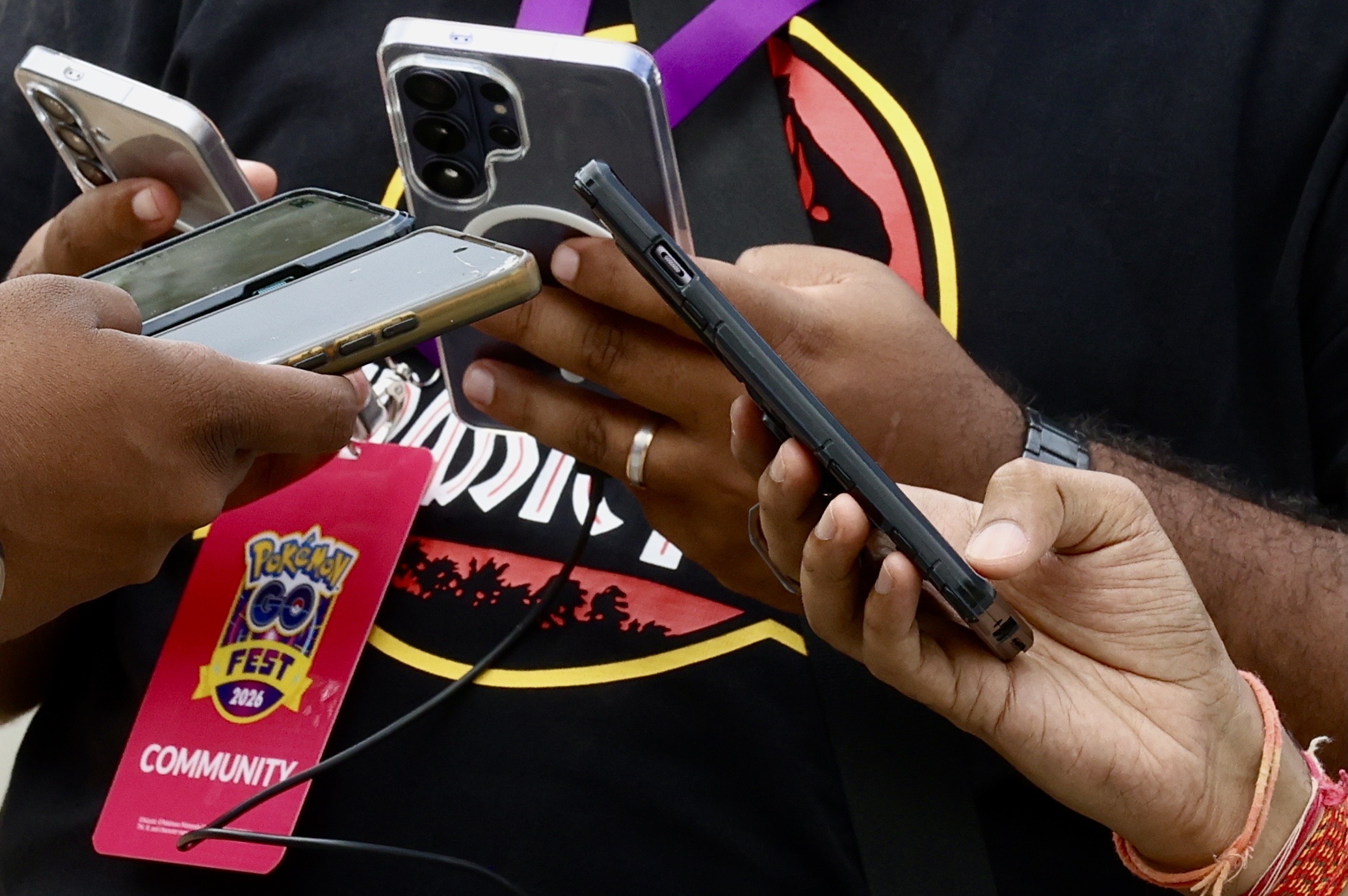
The personal data, records, and telecommunications of billions of citizens across the globe are “up in the air,” as the rapid advancement of technology has led to the development of specialized surveillance software used by both private individuals and governments.
Digital evidence expert and analyst Alexis Mavros stated on the Alpha News program that the primary forms of surveillance are:
ΣΧΕΤΙΚΑ ΑΡΘΡΑ


Police on the Streets: What They’ll Be Checking and When
- recording phone calls and text messages from a mobile device
- hacking into the device and accessing files, information, and apps; microphones, cameras, and location data

Mr. Mavros explained that with a standard connection, it is nearly impossible for a subscriber to protect themselves from potential surveillance of their cell phone, since it is carried out through the service provider. In fact, such surveillance can only be carried out through the judicial system by obtaining search warrants.
In the case of software-based surveillance, the device is typically “infected” via email or web applications, through which a link is sent that the subscriber clicks on. Some of the “symptoms” include rapid battery drain, excessive data usage, apps running through other routers, and files being sent overnight.

Mr. Mavros presented simple ways to protect citizens from surveillance, such as:
- Long Passwords
- Double-checking apps
- Frequent software updates
- Downloading apps only from the App Store and Google Play
- Security using biometric features

Mr. Mavros noted that malware is usually removed from mobile phones when the device is restarted and does not remain in the apps, even if you switch devices.





