In an unprecedented leak of banking data, more than 15 million emails and internal documents from Deutsche Bank have been made public by whistleblowers, revealing, among other things, accounting fraud, suspicious dealings with controversial figures, transactions with Russian oligarchs, and money laundering. The ZDF network has also reported on this in Cyprus.
According to Der Spiegel magazine, the data primarily comes from the DB department that deals with “problematic transactions and high-risk clients,” with the relevant employees making recommendations on whether the bank should initiate, continue, or terminate its business relationships.
ΣΧΕΤΙΚΑ ΑΡΘΡΑ


The whistleblowers, through an American attorney, sent the data to South African attorney Kantiza Sharife and Indian journalist Josie Joseph, who then shared it with 50 media outlets around the world, including the German magazine and the ZDF network.
The international investigation “Inside Deutsche Bank,” which involved 200 journalists, was coordinated by the South African nonprofit Barracuda Media, with support from the Data and Research Center in Berlin.
The documents released include a “huge number” of internal emails, minutes of supervisory board meetings, confidential reports, compliance records, and even recordings of employee conversations.
All of this, it is noted, “shed new light” on the actions of the bank’s CEO, Christian Schwing, who was theoretically appointed to put an end to a series of scandals involving DB.
As revealed by the leak, Mr. Schwing demanded, on the contrary, greater internal risk tolerance, repeatedly objected to the recommendations of the compliance department, and concealed problems from shareholders.
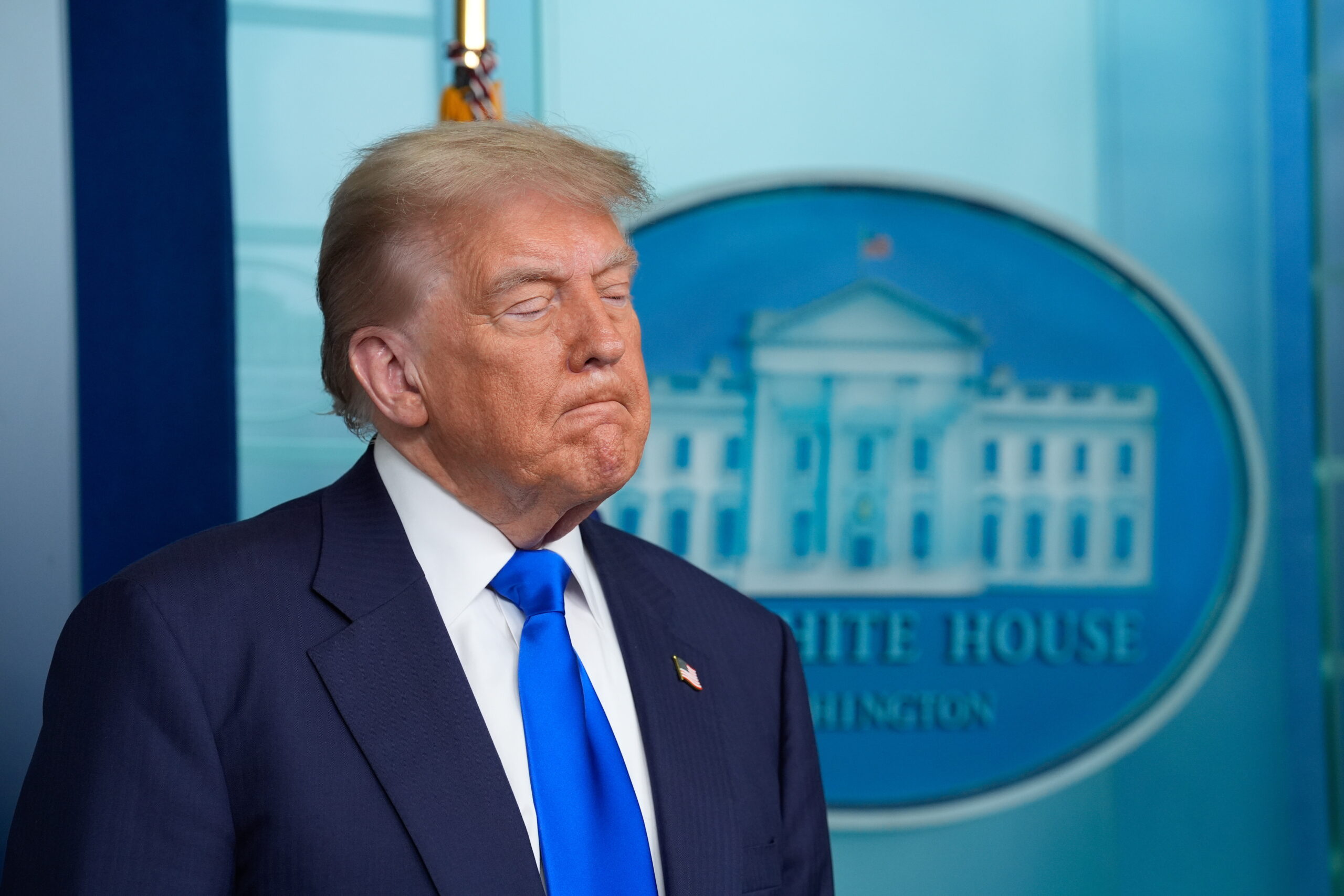
The investigation also reveals accounting tricks, financial statements bordering on fraud, as well as details about the bank’s relationship with individuals such as Jeffrey Epstein and U.S. President Donald Trump.
The bank initially courted Donald Trump in an effort to win him over as a client, but in 2017, it accidentally sent his tax returns to the wrong person without informing him, while in the case of the individual convicted of sex crimes, DB had identified suspicious transactions totaling $600 million without taking any action. In the case of the Aldi family as well, the bank helped the heirs evade taxes using methods that were eventually uncovered by the tax authorities.
As another example, in 2020, an employee revealed evidence of a suspicious money-laundering network through which it is estimated that hundreds of millions of euros had already been funneled. Previously, the monitoring systems had detected isolated issues but had not linked them together. The bank identified the pattern only three years later, with the manager in charge noting in a memo: “Our systems simply didn’t detect it.”
In another case, DB processed thousands of suspicious transactions in Colombia without filing the required reports on money laundering in Germany, as it was required to do. The data also reveals how the bank facilitated arms deals, even in the case of sales to “problematic” countries, as well as how it continued to manage donation accounts for the Alternative for Germany (AfD) even though its leadership publicly criticized the far-right party.
The leak also raises the question of whether the bank’s control systems were an obstacle in certain cases. In an internal email in 2017, Christian Schwing expressed his regret over the consequences of the strict customer checks carried out by the bank’s relevant departments: “KYC (i.e., the Know Your Customer department, which refers to the legally required customer verification process) is choking our revenue,” the CEO wrote.
Furthermore, the documents show that the bank retained convicted criminals, Russian oligarchs, and known fraudsters as clients for years, in some cases despite internal warnings—and repeatedly dismissed internal concerns about this. In some cases, the bank’s Russian clients even used Cyprus as a “back door” to gain access to the European Union, according to the ZDF report.
For its part, Deutsche Bank stated that the issues mentioned in the investigation date back many years—up to two decades — and maintains that in many cases it has cooperated with the authorities to resolve them.
“We are a different bank today. We have invested in internal controls, strengthened risk management, and radically changed our corporate culture. We remain focused on implementing our strategy, the success of which is reflected in last year’s record profits and those of the most recent quarters,” the bank emphasized in a statement, referring to the sweeping reforms during the 2019–2025 period, which cost 7 billion euros, while it declined to comment on “possible past or current relationships with its clients.”