




They are not just stones. They represent centuries of history. They represent the people who have passed through there—their prayers, their joys, their farewells. They represent our shared cultural heritage. It is multicultural Cyprus.
Every time I see a post or read an announcement about the handover of yet another monument in our country, I feel a glimmer of hope.
Amid all that angers us, hurts us, and sometimes makes us want to move to some normal country, something appears that gives us a reason to smile. Something that carries a little hope. A church. A mosque. A cemetery. A place standing tall once more. A piece of our homeland that has been saved.
ΣΧΕΤΙΚΑ ΑΡΘΡΑ

Ever since he was a child, he would see in his sleep… the Presidency
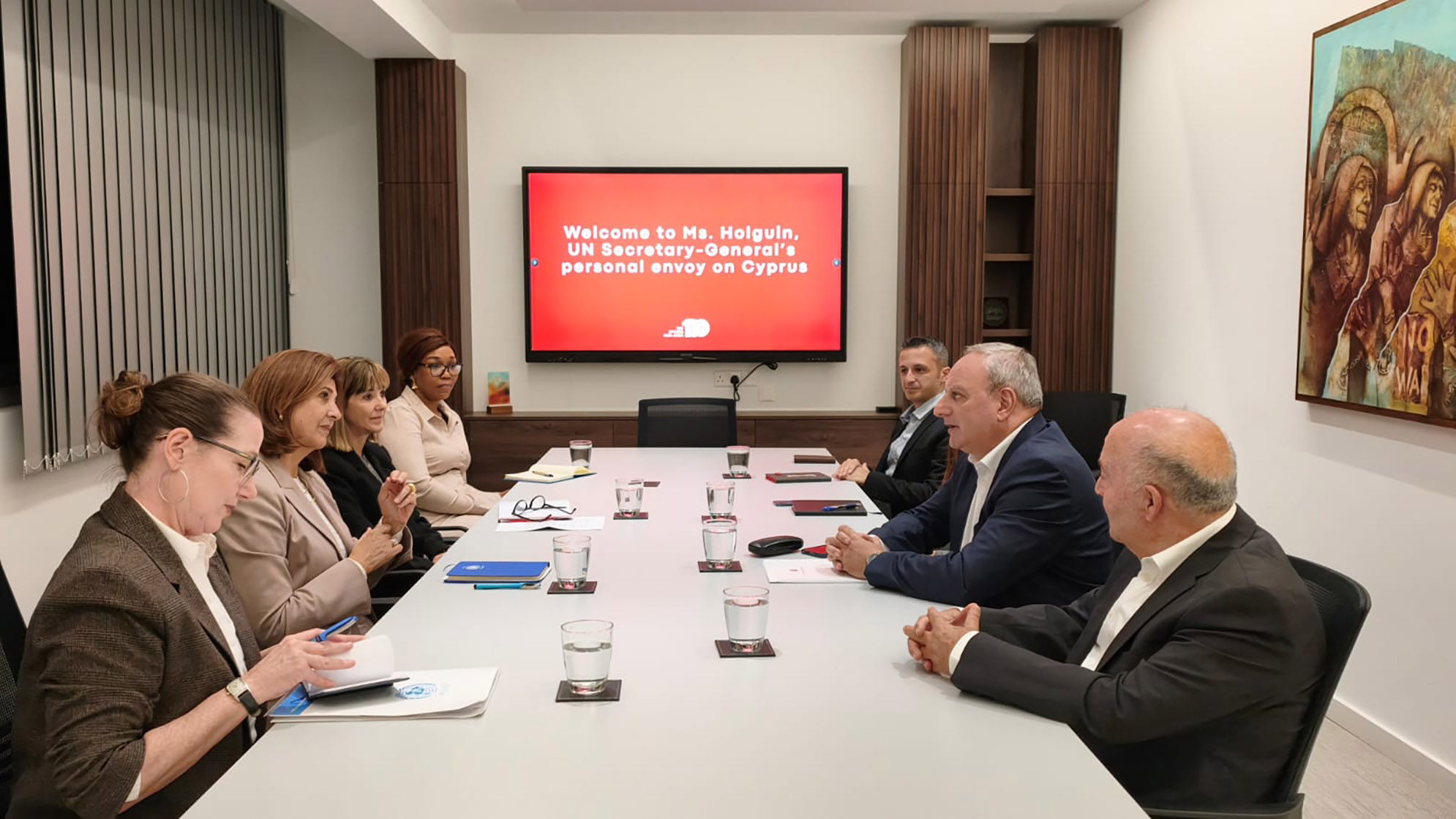
Behind these images lies a remarkable committee: the Technical Committee on Cultural Heritage. Greek Cypriots and Turkish Cypriots working together. Since 2008. Quietly. With perseverance and results. A Committee that, with the support of the European Union and the UNDP, has carried out restoration, conservation, and protection work at more than 210 sites. From Apostolos Andreas and Othello’s Tower to churches, mosques, and archaeological sites across the entire island.
These are not just stones.
They represent centuries of history. They represent the people who have passed through them—the prayers, the joys, the farewells. They represent our shared cultural heritage. They represent multicultural Cyprus.
You don’t have to believe in God to want to save a church. Nor do you have to be Muslim to care about a mosque. You need to understand that this place doesn’t begin and end with us.
And then, the cemeteries.
Over the past few months, restoration work has been underway at more than 70 cemeteries throughout Cyprus. Cleaning. Repairs. With Christian crosses and Muslim tombstones being put back in their rightful places.
Because we didn’t even leave the dead in peace. Fanaticism. Vandalism. Neglect. And time is erasing what people left behind.
Today, some people are bending over these ruins. A sacred act of respect for the memory of the people of our land—Greek Cypriots and Turkish Cypriots alike. So that a person may once again stand at the grave of their loved ones. To lay a flower. To remember.
An act that leaves a mark far beyond the stones being put back in their places.
Because that is what this Committee does. It builds where we have learned to destroy. It restores monuments and, along with them, some of the trust we have lost. It doesn’t wait for us to agree on everything before doing something useful—something that benefits our region.
And this is where the comparison becomes inevitable.
With no substantive negotiations since 2017, we’re still debating methodologies. We’re discussing how we’re going to discuss. We’re discussing when we’re going to discuss. We’re endlessly discussing even two new crossing points. As if time were on our side.
Meanwhile, some people are obviously finding ways to work together. To overcome difficulties. To get things done. They’ve probably figured out the methodology.
I’m not claiming that the work of a committee will resolve the Cyprus issue. Nor does a restored monument end the occupation. But it shows what can be achieved when there is will. Respect. A common goal. Cooperation.
To the first co-chairs, Takis Hadjidemetriou and Ali Tuncay, to Sotos Ktoris, who took up the baton and continues alongside Ali Tuncay, to all the members of the Committee—both Greek Cypriots and Turkish Cypriots—and to everyone working toward this goal, a heartfelt thank you.
Because we owe our children much more than ruins and a divided country. We owe them the opportunity to get to know their entire homeland. And to share it without fear.
P.S. The other day, the two co-chairs presented the President of the Republic and the Turkish Cypriot leader with a symbolic gift. The Church of Panagia tis Lysis and the Tuzla Mosque in Larnaca—two important landmarks for both communities. Let’s hope they keep more than just the picture frames. Let’s hope they keep the example. So that one day we may bequeath to our children, along with these monuments, a reunified homeland.








