Economist Tasos Yiasemidis emphasized the need to take targeted measures to address rising prices by making use of Cyprus’s fiscal capacity. Speaking on the Alpha News program, he referred to the uncertainty prevailing in international energy markets, the government’s options for intervention, and the issue of double taxation on fuel.
Referring to developments in international oil markets, Mr. Yiasemidis noted that, despite the initial decline in prices following Donald Trump’s announcements regarding a potential agreement with Russia, the trend began to reverse. “Unfortunately, analysts and investors fear the worst when it comes to the Middle East,” he said, noting that doubts remain about the implementation of the potential agreement and the restoration of energy supplies.
ΣΧΕΤΙΚΑ ΑΡΘΡΑ


He made special mention of the damage sustained by Russian energy infrastructure, as well as the significant reduction in oil traffic through the Strait of Hormuz. According to the data he cited, the volume has dropped from 20 to 22 million barrels per day to 8 to 9 million. “We don’t know what the possibilities are or when the flow of Russian gas or oil will be restored,” he noted, emphasizing that ongoing tensions in the Middle East are exacerbating the uncertainty.
Regarding the 2027 national budget, the economist pointed out that the budget surplus and positive growth rates create room for measures to provide relief to citizens. As he explained, the government has the ability to implement short-term measures, with an emphasis on the groups most affected by price increases. At the same time, he emphasized that the issue of high energy costs is a concern for the European Union as a whole, with related discussions taking place at the European level.
Mr. Yiasemidis placed particular emphasis on the need for European intervention, noting that Europe continues to face the consequences of the loss of Russian natural gas. He stressed that, beyond utilizing national budgets for targeted support, a broader strategy for energy security is required. He also referred to the ongoing discussion within the EU regarding the possibility of exempting certain support measures from budgetary constraints, as well as on the use of additional government revenue generated by inflation, primarily for the benefit of vulnerable groups.
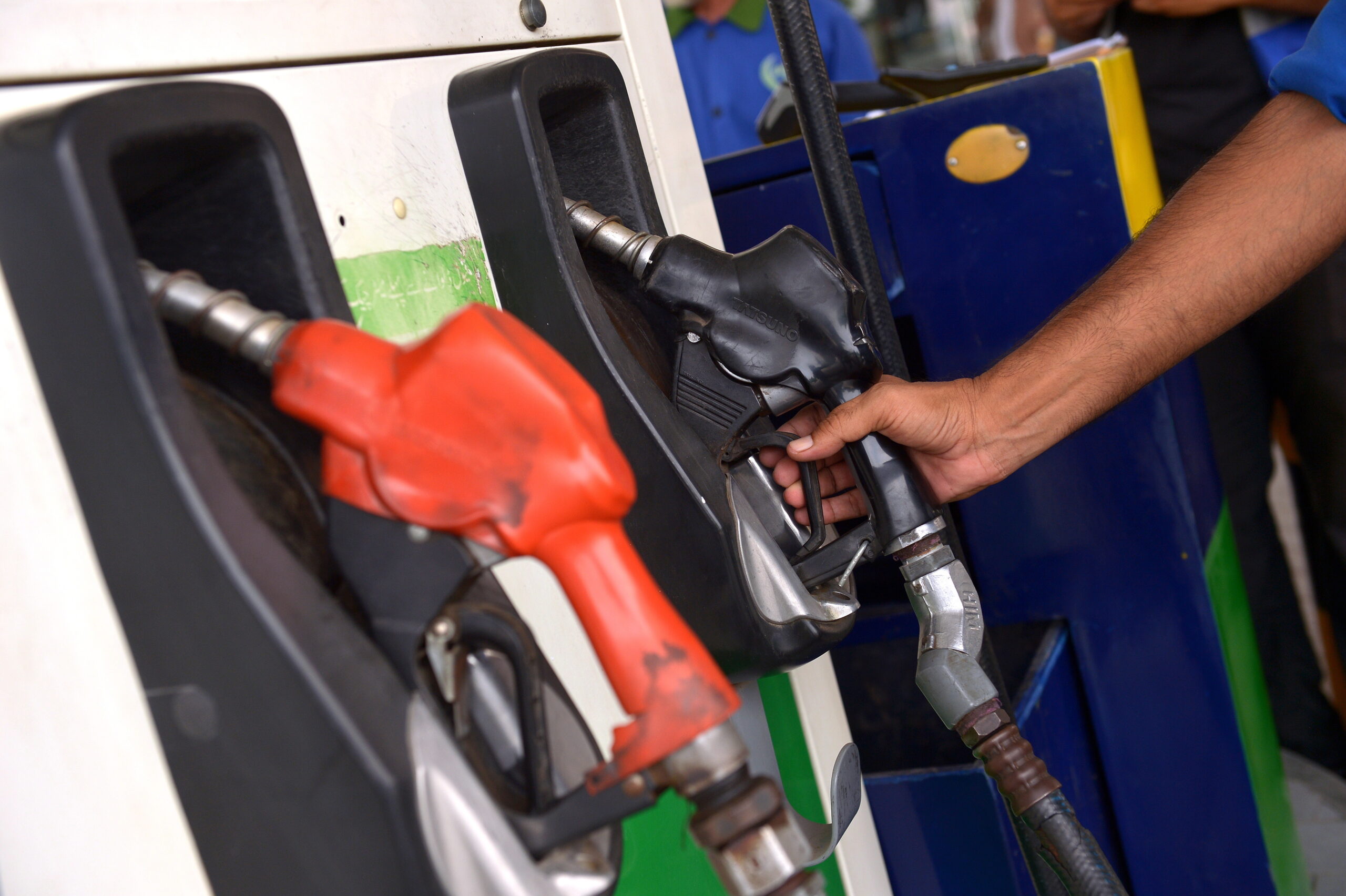
Finally, referring to fuel taxation and proposals to reduce the VAT or excise tax, he emphasized that the relevant regulations are governed by the European framework and that corresponding initiatives must be taken with the European Union. He placed particular emphasis on the issue of double taxation, explaining that excise tax is added to the import price of fuel, and then VAT is calculated on the total amount. “Essentially, VAT is imposed on top of the excise tax,” he noted, stressing that “this specific tax structure should be reviewed.”