



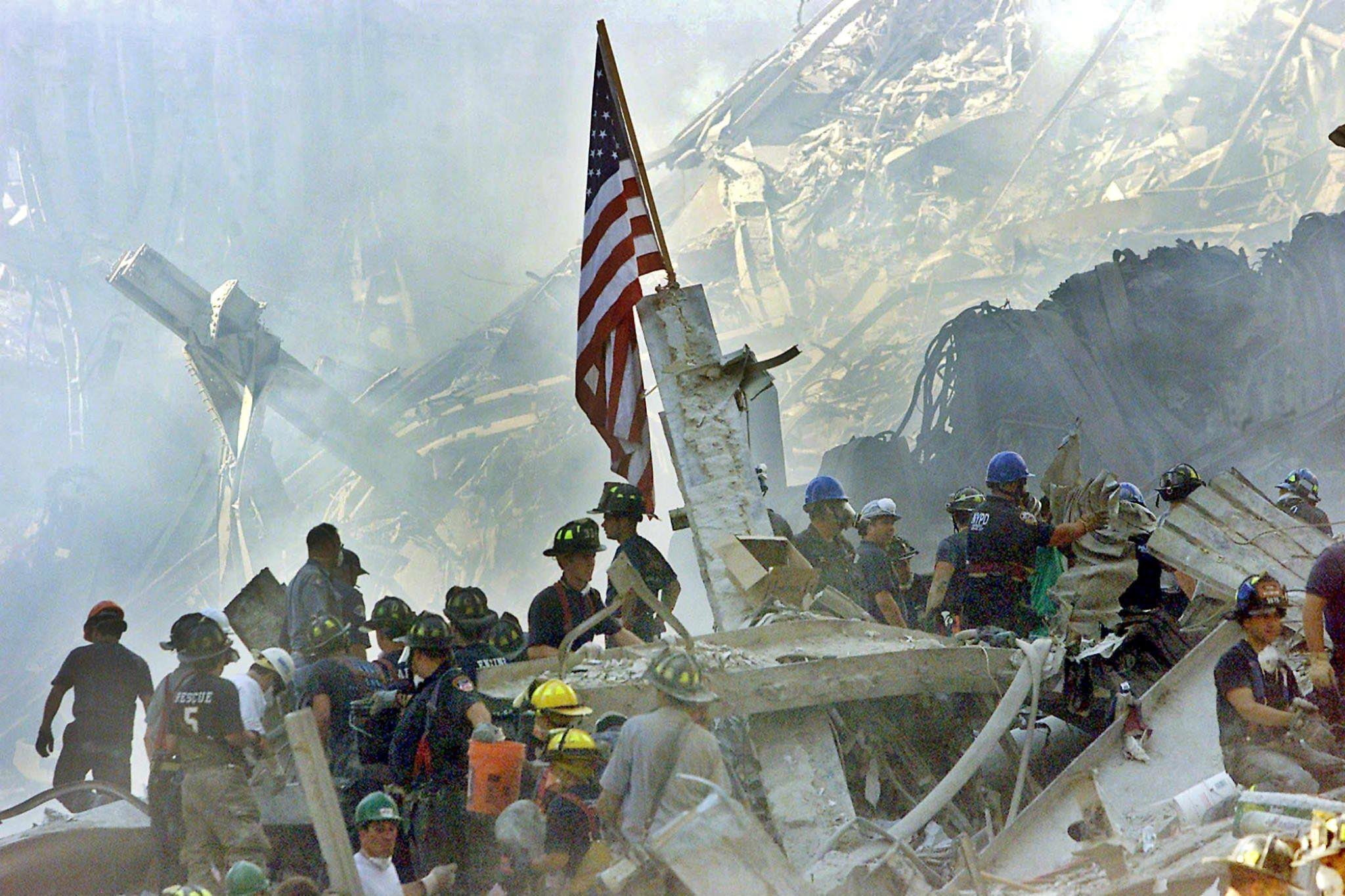
Twenty-five years after the terrorist attacks of September 11, 2001, the question is not just how much the world has changed. It is primarily whether we have truly learned from that day. September 11 was, first and foremost, a tremendous human tragedy. But it was also a fundamental failure of the security system. The Commission that investigated the attacks spoke of failures in “intelligence, policy, capabilities, and management.” A significant amount of intelligence was available. What was missing was the ability to connect the individual pieces of evidence and translate them into a timely strategic response.
Much has been done since then. Cooperation among intelligence agencies has been strengthened, new counterterrorism structures have been created, and border controls and information sharing have been improved. Technology has offered capabilities that seemed unimaginable in 2001. Biometric data, drones, big data processing, and now artificial intelligence enable threats to be identified more quickly.
ΣΧΕΤΙΚΑ ΑΡΘΡΑ


And yet, here lies one of the most important lessons of the past 25 years: technological superiority does not automatically equate to strategic success. You can track down a terrorist with greater precision. That does not mean you can eliminate the conditions that give rise to terrorism. Military power can destroy organizations and infrastructure. But it cannot, on its own, address political deadlocks, social exclusion, weak institutions, inequalities, and narratives of injustice that are used for recruitment and radicalization.
The second major lesson concerns the limits of the response. After September 11, the “war on terror” led to Afghanistan, Iraq, Guantanamo, and practices that severely tested international law and human rights. Security is a fundamental obligation of every state. But when democracy abandons the very principles it seeks to protect, victory can turn into a strategic defeat.
Today, in fact, the environment is even more complex. Terrorism coexists with interstate wars, cyberattacks, hybrid threats, disinformation, political violence, and the instrumentalization of new technologies. Security can no longer be addressed in isolation.
Perhaps, then, the deepest lesson of September 11 is that a state that prepares only for the previous threat is already behind the curve when it comes to the next one. Twenty-five years later, we need more cooperation, better strategic foresight, stronger institutions, and technology under human and legal control. Above all, we need the ability to see in time what is not yet obvious. Because true security does not begin when a crisis strikes. It begins with the ability to imagine it before it happens.
*Lecturer in Law at the University of Nicosia, LL.B. in Law (Bristol), Ph.D. in Law—International Law and Human Rights (Kent), Director of the Legal Clinic Unit at the University of Nicosia.





