



The Houthis’ latest advance in Yemen reveals a deeper shift in the geopolitical architecture of the conflict in the Middle East and the war in Iran, rather than simply another episode in the protractedwar—namely, that control of strategic sea lanes is becoming a key instrument of power projection. The seizure of positions along the Red Sea coast and, most importantly, the strategic Perim–Mayun Islands—dramatically enhances the Houthi rebels’ ability to disrupt shipping in the Bab el-Mandeb Strait. This is the strait that connects the Indian Ocean to the Red Sea and, via the Suez Canal, to the Mediterranean and Europe.
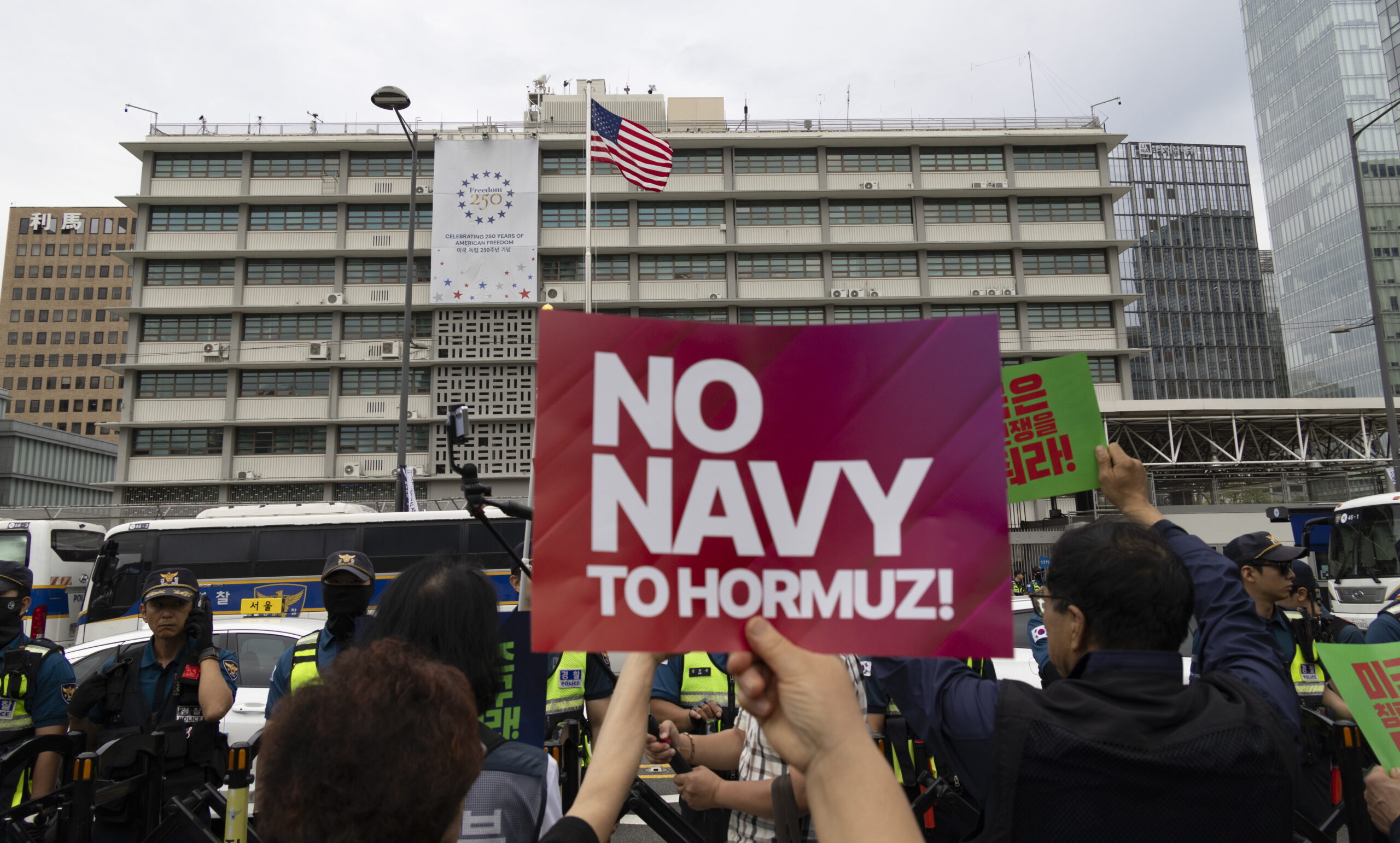
This development takes on even greater significance when considered in light of events in the Strait of Hormuz. The ongoing conflict has already restricted energy flows from the Persian Gulf. Saudi Arabia attempted to offset this vulnerability by using the East-West pipeline to transport oil to the Red Sea. However, the attack on the pipeline and the temporary suspension of its operations revealed that even alternative routes can become targets. This creates an unprecedented strategic pressure. On one side is the Strait of Hormuz. On the other is the Bab el-Mandeb Strait. And between them lie the Gulf’s most important energy economies.
ΣΧΕΤΙΚΑ ΑΡΘΡΑ

The Houthis attacked airports in Saudi Arabia

This is precisely why the new phase of the conflict is not merely about military dynamics. It is about the instrumentalization of geography, as we have repeatedly noted in the past. The ability to threaten a port, a pipeline, or a strait can have an economic impact disproportionately greater than the military means employed.
The markets are already recognizing this new reality. Brent crude has once again surpassed $100, reaching approximately $108 per barrel on September 14, as markets are now pricing in not just a single incident, but the risk of a prolonged disruption to energy flows. At the same time, Washington’s stance is creating a second layer of uncertainty. Despite Riyadh’s requests for U.S. military support against the Houthis, the United States appears reluctant to open yet another front. This is prompting the Gulf states to reevaluate a strategy that for decades has relied on the U.S. security guarantee.
It is no coincidence that, at the same time, efforts are being made to establish channels of communication with Tehran. The planned meeting in Oman on the status of navigation in the Strait of Hormuz was postponed due to disagreements, but the effort itself is indicative of the new reality.
The key conclusion is therefore broader and can be simply described as follows: power in today’s Middle East is not measured solely by missiles, aircraft, and armies, but also by the ability to control the flow of global trade. And when two of the world’s most important maritime gateways find themselves simultaneously at the center of the same geopolitical conflict, then the war ceases to be regional, and its economic consequences inevitably become global.






