



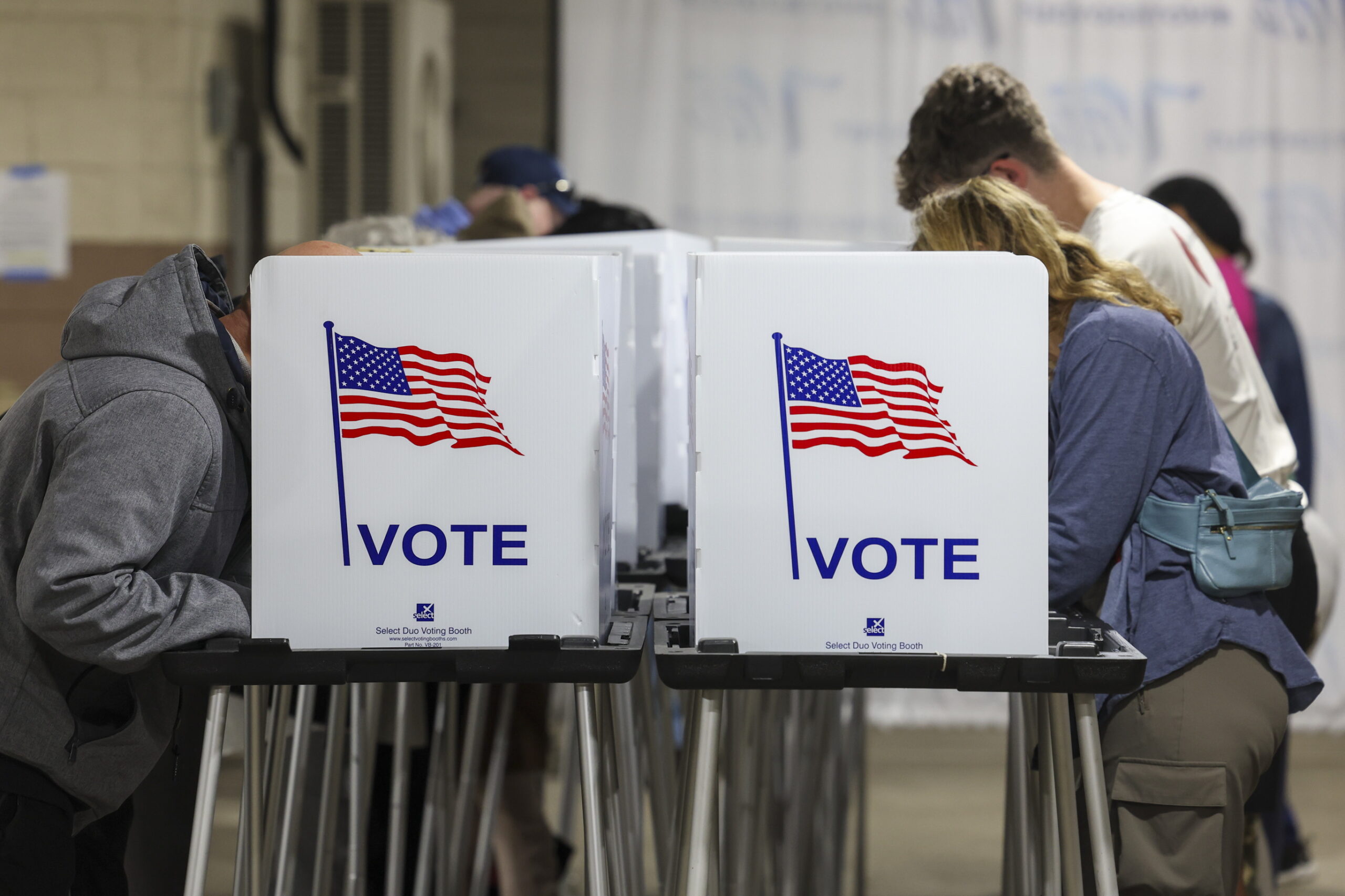
The midterm elections taking place today in the United States represent a critical test for U.S. President Donald Trump, as the outcome will determine the political balance of power in Congress and the scope for advancing his legislative agenda for the remainder of his term.
Speaking on the “Alpha News” program, political scientist and international relations expert Theodoros Tsikas assessed that the Democrats have a strong chance of regaining control of the House of Representatives, while the battle for the Senate is expected to be much closer. As he explained, a potential loss of the congressional majority by the Republicans would make it significantly more difficult for the U.S. President to advance his policies.
ΣΧΕΤΙΚΑ ΑΡΘΡΑ

Which chambers are up for election and where the balance of power is at stake
In the midterm elections, all 435 members of the House of Representatives are up for election, while approximately one-third of the Senate’s 100 seats are up for election, as senators are elected to six-year terms.
According to Theodore Tsikas, regaining control of the House appears to be a more achievable goal for the Democrats, while in the Senate the outcome will depend on performance in specific states and on narrow margins of victory.
Of particular importance, as he noted, is Donald Trump’s campaign activity, as he has even toured traditionally Republican states. This choice, he said, may reflect concern about losing support among his party’s voters.
This dissatisfaction does not necessarily mean that traditional Republicans will turn to the Democrats. They may, however, choose to abstain, a development that could decisively influence the outcome.
The “weapon” of the veto and the clash with Congress
If the Democrats secure a majority in the House of Representatives, Donald Trump will face a different political landscape, as his legislative initiatives will encounter greater obstacles.
As Theodore Tsikas explained, even if the Democrats manage to pass bills, the President retains the power to veto them. However, this development does not negate the fact that the loss of the majority limits the White House’s scope for legislative action.
The international relations expert assessed that the first few months after the election are likely to be marked by intense confrontation between Trump and a Democratic-controlled Congress, before potential compromises are sought.
At the same time, the U.S. President has certain executive tools at his disposal to implement his policies without prior legislative approval. However, these cannot indefinitely replace the legislative process or override the institutional checks and balances of the U.S. system.
What Changes If the Senate Is Lost Too
The situation could become even more complicated for Donald Trump if the Democrats manage to gain control of the Senate as well.
Theodoros Tsikas emphasized that the Senate plays a decisive role in confirming key appointments, including to government positions, diplomatic missions, and the federal judicial system.
In such a scenario, the administration could face additional challenges, as its choices would depend on the opposition’s stance in that body.
It should be recalled that during Trump’s first presidential term, there were instances where Republican representatives and senators diverged from his choices. Today, however, the U.S. President has consolidated his dominance within the Republican Party, exerting significant influence over its elected representatives.
As the international relations expert noted, this influence is also linked to the pressure exerted on Republican officials, who may fear that deviating from the party line will affect their chances of reelection.
Accuracy and Economy Take Center Stage
The economic situation is also playing a decisive role in the election, with the cost of living and gas prices affecting Americans’ daily lives.
As Theodoros Tsikas pointed out, Trump had capitalized on dissatisfaction with high prices and inflation during his campaign, promising to improve the economic situation.
However, according to him, these expectations have not been met to the extent that citizens had hoped, while geopolitical developments and tensions in the Middle East have intensified pressure on energy prices.
Fuel prices are of particular concern, as the long distances in the United States make the car the primary means of transportation for a large portion of the population.
In this context, dissatisfaction with the economy is likely to be reflected at the polls, affecting the Republicans’ performance.
International Politics and the War with Iran
Regarding the potential impact of the election results on U.S. foreign policy, Theodoros Tsikas assessed that changes in the balance of power in Congress are not expected to significantly limit the U.S. President’s freedom of action.
As he explained, the U.S. President has significant authority over foreign policy and security matters, which allows him to make decisions even when faced with a Congress with a different political makeup.
Nevertheless, the composition of Congress can influence specific aspects of his policy, particularly with regard to funding, foreign aid, and the approval of related legislative initiatives.
The international relations expert assessed, however, that the election result is unlikely to substantially alter the way Trump approaches international issues, noting that his personal political stance is a key factor in his decision-making.
Early and Absentee Voting
Referring to the voting process, Theodoros Tsikas noted that different procedures are in place in the United States, aimed at facilitating citizen participation.
In addition to voting on Election Day, many states offer early and mail-in voting, as participation is not mandatory.
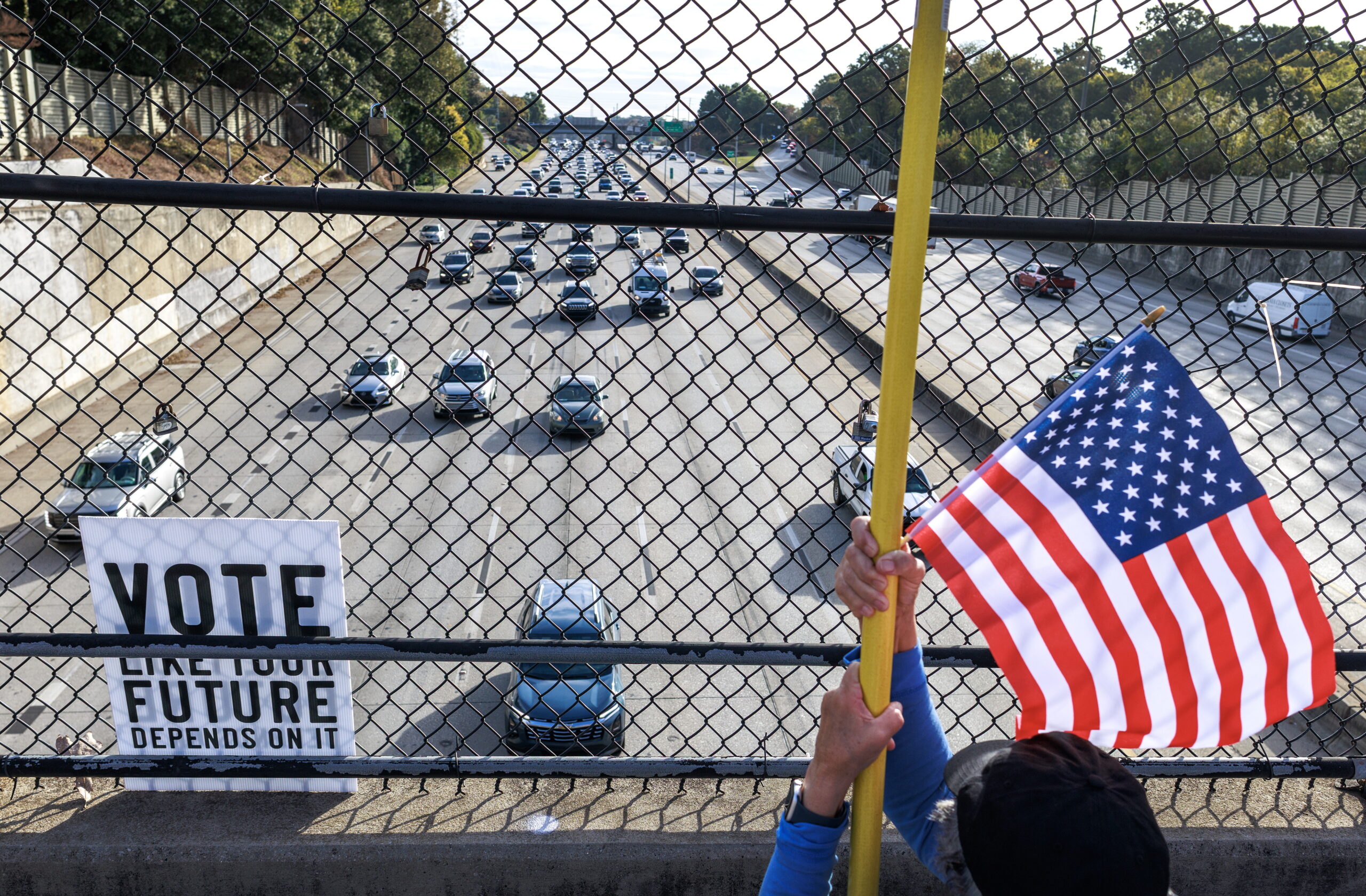
The outcome of the race will therefore depend not only on voters’ intentions but also on how many ultimately turn out to vote, in an election that serves as a crucial barometer of Donald Trump’s political momentum and the course of his second presidential term.








