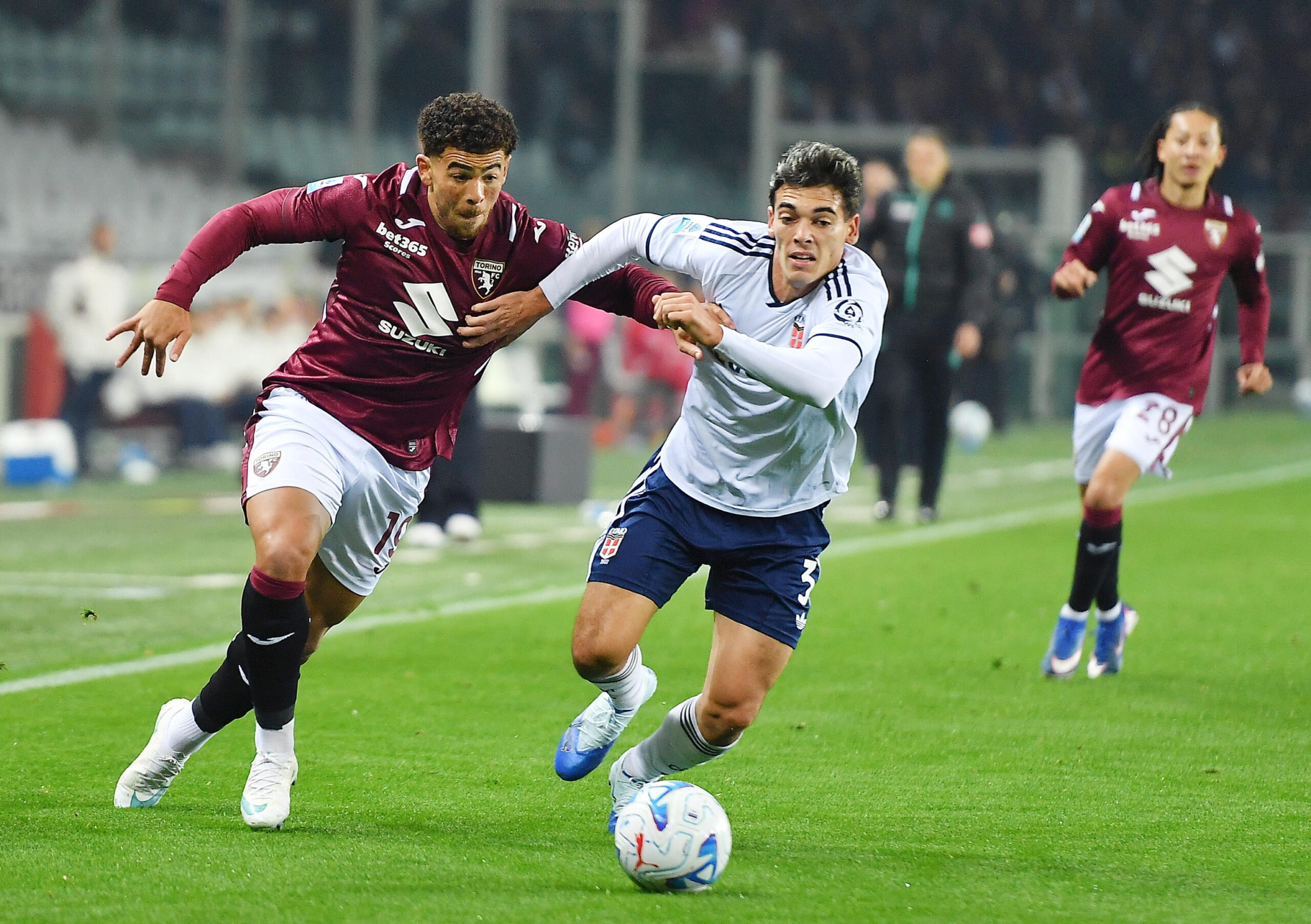
A move from the Stoiximan Super League to the world’s top league, the Premier League, is a huge step forward for any soccer player. This is especially true for a young player who has to adapt to such a demanding environment.
Babis Kostoulas, however, has shown that he has made significant progress since the day he moved to England to play for Brighton. He has gotten off to a blistering start this season with Brighton, scoring five goals and providing four assists in the 11 matches he has played, across all competitions.
ΣΧΕΤΙΚΑ ΑΡΘΡΑ

The “Seagulls’” coach, Fabian Hürtzler, spoke to the “Argus” about the progress of his players and highlighted Kostoulas’s case in particular. The German coach discussed the daily work taking place at Brighton’s training facilities, with the goal of helping players from different leagues gradually adapt to the high demands of English soccer.
When Hurzeler was asked to give examples of players who have shown significant physical progress, he initially responded to the question with humor, telling reporters that it was their job to figure that out.He then, however, singled out two cases: that of Maxim De Keper and, most notably, that of Babis Kostoulas.
Hurzeler explains how De Cuyper and Kostoulas adapted to Premier League demands https://t.co/pnZxvyewOq
— Brighton Albion news (@albionnews) October 28, 2026
“Let’s take De Keper, for example. I think he’s definitely a player who has truly adapted to the demands of the Premier League. The same goes for Babis Kostoulas. If you compare the situation he was in when he first arrived here with where he is today, and see how much more resilient he’s become in one-on-one battles, you’ll realize it’s a completely different story.
“There are many players who show this kind of development,” the Brighton coach noted, and then turned his attention to the former Olympiacos defender, Costinha.
“Then, on the other hand, you have players like Costinha. Costinha arrived already possessing excellent physical attributes. In his case, you have to work more on technical aspects, on executing plays, and on understanding the game. This means truly adapting to the needs of each player. You have to assess what level he’s at and where you want to have him by the end of the next two or three years.”
*photo source: AP