



The growth rate of the Cypriot economy is projected to reach 3.1% in 2026, despite the significant challenges facing the global economy due to the ongoing Russia–Ukraine war and the conflict in the Middle East. For the period 2027–2029, the growth rate is expected to remain at relatively high levels, around 3%, according to Finance Minister Makis Keravnos, who presented the 2027 state budget to the Parliamentary Finance Committee on Monday.
Regarding inflation, he noted that it is projected to be 4% in 2026, falling to 2.5% in 2027 and to 2% in 2028 and 2029, with the unemployment rate at 3.8%. Regarding the budget surplus, it is expected that in 2026 the budget balance (General Government) will remain in surplus and rise to 2.7% of GDP, while in 2027 it is projected to improve further and reach 3.9% of GDP. With regard to public debt, a significant reduction in public debt as a percentage of GDP is expected in 2026—by 6.1 percentage points—and in 2027, it is projected to stand at 46.6% of GDP, down from the current 48.9%, and the forecast for a steady downward trend in the medium term is confirmed.
ΣΧΕΤΙΚΑ ΑΡΘΡΑ


With regard to banks, he noted that there is an upward trend in deposits, which is due to deposit inflows from both households and businesses.
Deposit inflows from domestic corporate depositors outside the financial sector recorded a slight increase. An upward trend has also been observed in total loans from Cypriot banks since 2023, with an increased flow of lending.
Furthermore, the banking sector’s strong capital base is being maintained, and its resilience is being strengthened, while credit institutions maintain high levels of liquidity.
The Minister of Finance stated that the 2027 budget was drafted with the aim of maintaining a fiscal surplus, continuing to reduce public debt, promote the green transition, maintaining public-sector employment, and preserving a robust financial system so that potential risks do not pose a threat to public finances.
“This is the fourth budget I am presenting to you,” said Mr. Keravnos, thanking the House for its long-standing cooperation, which, as he noted, is not limited to the presentation but extends to the implementation of the budget.
He explained that the budget is based on fiscal projections, an assessment of the economy’s outlook and developments, while taking into account the spending ceilings set by the European Union and weighing fiscal risks.
Efforts to Further Reduce Fuel Taxes
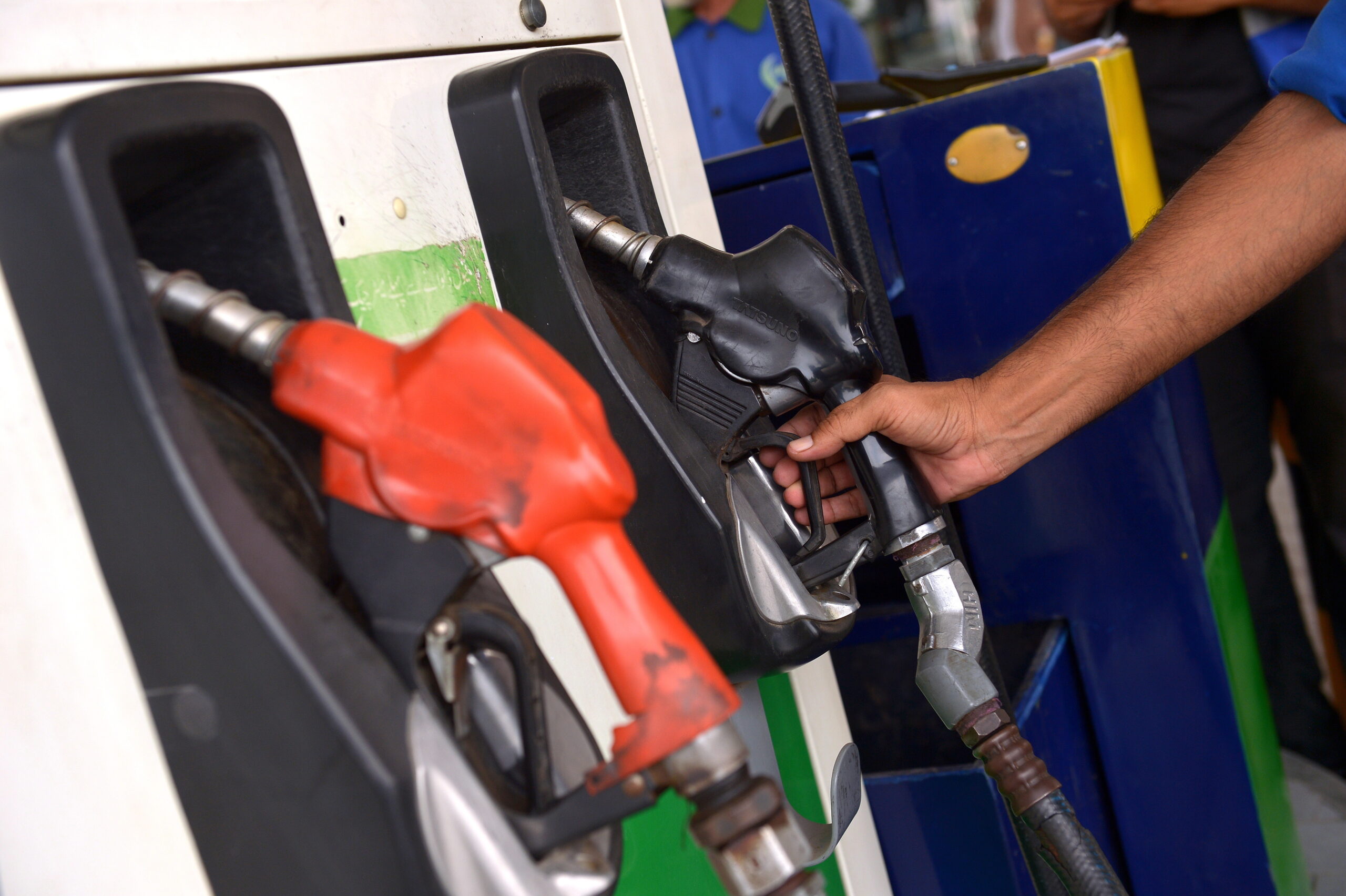
In response to a question regarding a report within the committee that efforts are underway in the European Union to further reduce the excise tax on heating oil and the VAT on fuels, the Minister stated that, with regard to heating oil, “we have reduced it to the lowest level permitted by the European Commission, and I have requested that Cyprus’s case be reviewed and that we be given the opportunity to reduce it even further. The process has begun at the technical level; the necessary documents have been prepared, and discussions have started.”
He added that regarding the VAT on EAC bills—where we see VAT charged on top of VAT— “this is an issue that has concerned us; there is room for discussion, and we have opened a dialogue with the European Commission to see what can be corrected.
The Minister of Finance emphasized that the budget is people-centered
The Minister noted that conditions are particularly adverse in the external environment, with constantly escalating conflicts that are creating problems for the economy, in the European economy, and have created a very serious energy crisis that affects all aspects of economic and productive processes, resulting in our citizens and businesses finding themselves in a difficult situation. “That is why the 2027 budget specifically addresses this issue; it is people-centered, with increased spending on social policy, support for citizens and businesses, and also includes very specific measures to alleviate the problems our fellow citizens and businesses are facing due to rising costs,” he said.
He added that “the primary goal is to continue the economic policy the government has been implementing thus far in order to secure the future and prospects of our economy—and of our country—amid all these adverse conditions.” He noted that he has raised these issues with the European Union—both through technical channels and in political discussions at the Eurogroup and Ecofin— so that the European Commission will grant us a degree of flexibility within the framework of the broader economic governance it implements “so that we can respond on a larger scale and with greater funding in terms of expenditures to address the impacts of the energy crisis and to support our citizens and businesses.”
Revenues and Expenditures for 2027
Regarding revenue and expenditures according to the preliminary draft budget for 2027, revenue is estimated at 13,595 billion (including loans and interest) and expenditures at 14,406 billion (including loans and interest).
Analyzing the revenue for 2027, the Minister noted that 42% comes from direct taxes and 44% from indirect taxes, 3% comes from European programs, explaining that there is a decrease compared to last year due to the completion of the Recovery and Resilience Plan. The remaining 11% consists of other revenue.
He also stated that, thanks to tax reform, the government is maintaining its revenue and even showing a slight increase. Regarding expenditures, he noted that personnel costs account for 26% of the total, operating expenses account for 13%, 31% are transfers, and 23% are loans and interest.
Regarding the Recovery and Resilience Plan, he noted that the total budget was 1 billion in grants, and 709 million has already been received for 128 reform and investment measures and 221 milestones, of which 220 were successfully completed and 1 was partially completed. Furthermore, it was noted that the 8th and 9th installments, totaling 283 million, are pending and are expected to be received by December 2026. He also noted that the Republic of Cyprus is expected to absorb 97.3% of the total SAA budget.
Regarding public sector employment, he reported that a reduction of 2,242 employees has been achieved in the civil service (19,529 employees as of January 1, 2012, and 17,287 employees as of June 30, 2026).
He noted that for 2027, a reduction of 51 positions is being achieved for the third consecutive year, and plans are underway to create 386 positions and eliminate 437 positions, including 66 permanentpermanent hourly-wage government staff positions. Regarding infrastructure projects for the 2027–2029 period, the New Cyprus Museum was mentioned (27.9 million for 2027), the construction of the Deneia–Akaki–Astromeritis and Paphos–Chrysochous roads, the building for the General Chemical Laboratory, and a new building for the Legal Service.
It was also noted that defense equipment will absorb 250 million in 2027, 50 million for the Solidarity Fund, while 4.28 million will be allocated for the purchase of an aircraft for aerial firefighting and 4 million for firefighting and crisis management. According to the budget, 182.9 million will be allocated to local government in 2027.
Among the fiscal risks: the natural gas terminal in Vasiliko
During his presentation, the Minister highlighted the natural gas terminal in Vasiliko as the primary domestic macroeconomic and fiscal risk, in the event that the specifications for advancing the project are not met; the potential need to purchase CO2 emission allowances in the event of a negative deviation from national climate targets; and the failure to collect revenue from the Emissions Trading System (ETS). With regard to external risks, mention was made of the deterioration of geopolitical developments and the increased burden on public spending due to the consequences of climate change, such as natural disasters, the need for compensation in the primary sector, and investments in infrastructure and prevention and preparedness projects.
Laouri noted that Direct Democracy has submitted legislative proposals regarding electricity and requested an update on the state’s debts to the Social Security Fund “including dates, amounts, and an explanation of why these payments were made,” and asked whether there is a repayment agreement and at what interest rate.