Puzzling polls, communication blunders, and hidden political agendas
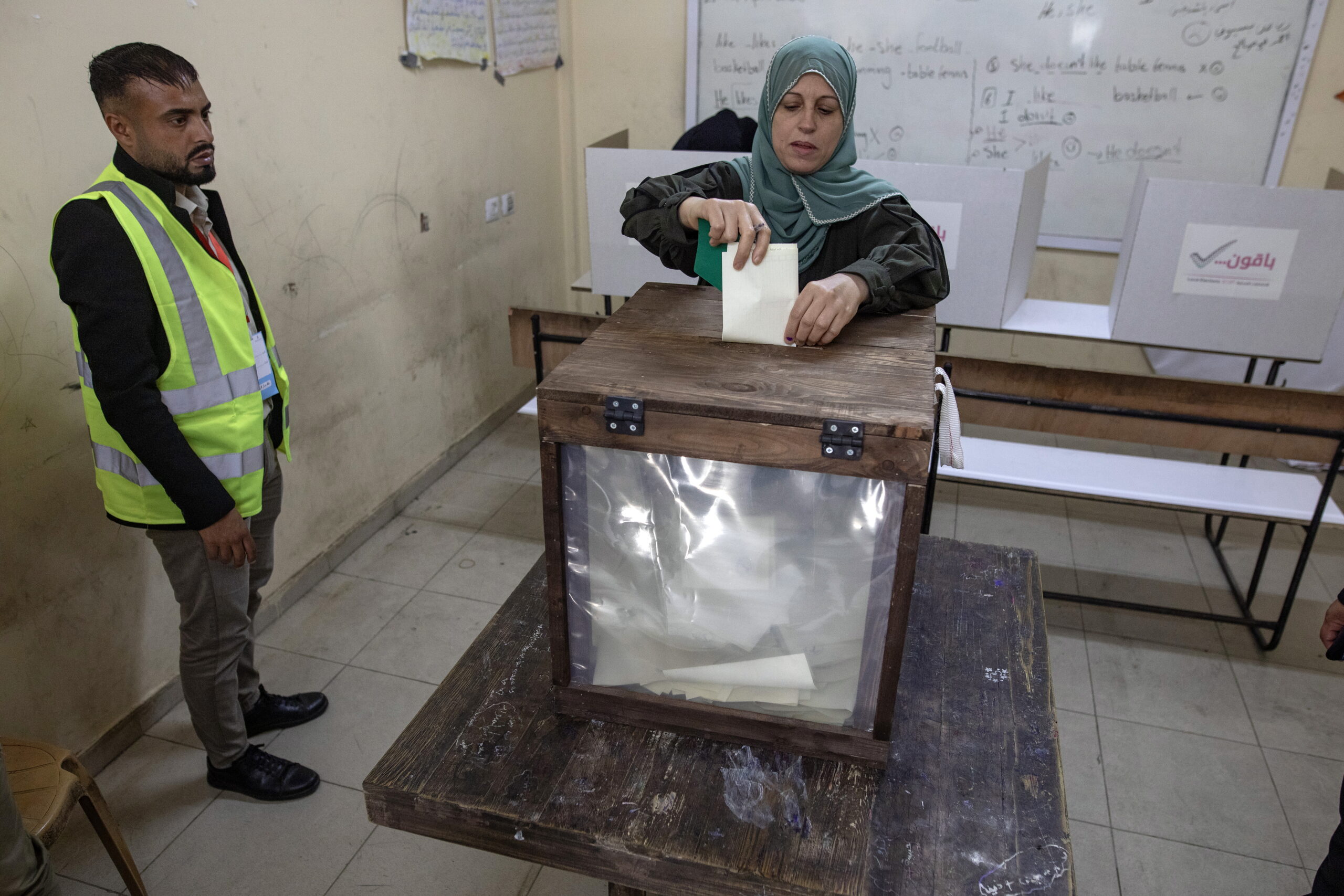
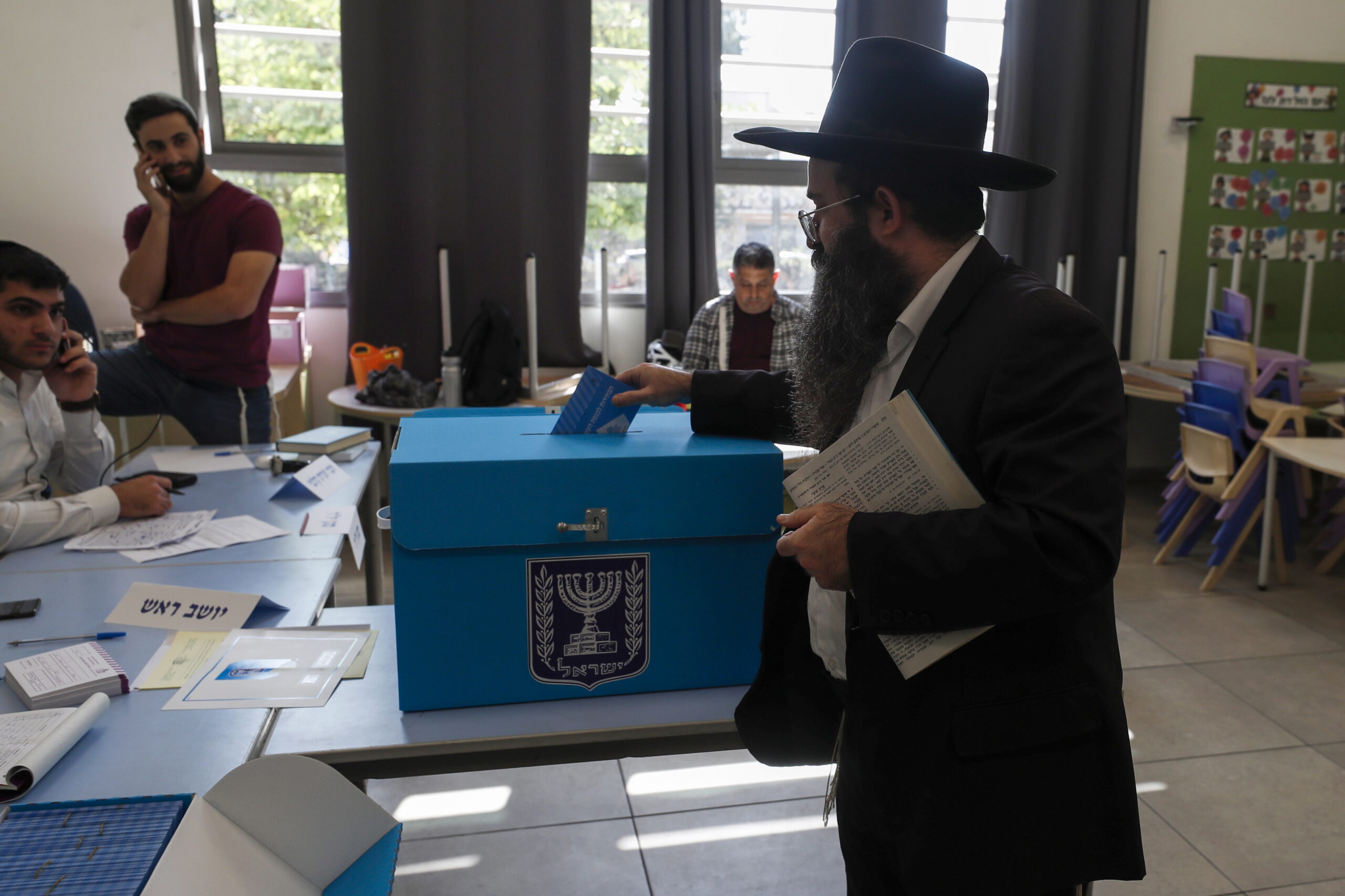
The political landscape in Israel remains murky, even though in less than twenty days its citizens will be called upon to choose which government will be formed following October 27. These parliamentary elections are perhaps the most critical in recent decades, as the war that began suddenly on the morning of October 7, 2023, with the Hamas attack, continues to have a powerful impact to this day, while many questions remain unanswered, particularly regarding the issue of accountability.
Communication Missteps by Netanyahu’s Camp
ΣΧΕΤΙΚΑ ΑΡΘΡΑ


Taking the pulse of local public opinion and the tone of Israeli news coverage, it is interesting to note that the significant operational successes achieved seem to have been all but forgotten. The “beepers” operation, which in just a few hours decimated Hezbollah in Lebanon; the elimination of the entire Hamas leadership both inside and outside Gaza; the strikes against the Houthis, as well as the fact that Iran—and even the Iranian capital itself, which lacked an air defense system— was bombed for weeks by the Israeli Air Force, would logically “count” in favor of Netanyahu’s government ahead of the elections. Nevertheless, the Israeli media—and, curiously, the parties of the current ruling coalition as well—give the impression that they are not interested in highlighting these, admittedly, significant military operations in the run-up to the upcoming elections. Although there is no clear explanation for this, it could be argued that Benjamin Netanyahu, despite having proven highly capable of managing a large segment of Israeli public opinion, may ultimately have set the bar too high.

When the war began, he emphasized in particular that his goal was “total victory” in Gaza and the “complete eradication” of Hamas. Later, when the Iranian front entered the picture, he spoke of the “collapse of the Tehran regime.” Today, three years after October 7, in terms of public messaging, if you ask the average Israeli what goals Netanyahu set for this war, they will spontaneously reply that it was these three “commitments.” They’ll then add: “…but we haven’t seen any of those promises come true.”
The ordinary person you’ll meet on the streets of an Israeli city is the one who will ultimately determine the outcome at the polls. The average citizen, regardless of whether they like Netanyahu or not, will conclude that the bar he set right from the start of the war was ultimately placed “higher than perhaps it should have been.” And the proof is simple: for three years now, all the fronts of the war have remained open, and questions regarding responsibility remain unanswered. These are the facts, which no one can dispute.
An opposition that “agrees by disagreeing”
The communication blunders of the ruling coalition parties so far, in a strange way, “cancel out” corresponding communication blunders by the Jewish opposition parties. And this is perhaps the most interesting aspect of this extremely unusual election season the country is currently experiencing.
Throughout the period since the Hamas attack on October 7, 2023, to the present, whenever Israel was called upon to make key decisions regarding the management of the war fronts, the leaders of the opposition parties chose to align themselves with the decisions of the Netanyahu government. No Jewish opposition party accused the political and military leadership of any wrongdoing regarding the military operations against Hamas. No opposition political leader accepted the international accusations of genocide. No objections were raised regarding the occupation of territories in Lebanon and Syria. No objections were raised regarding the airstrikes against Iran and the Houthis. All opposition leaders condemned the issuance of international arrest warrants, while attributing the rise in anti-anti-Israel demonstrations abroad to the rise of anti-Semitism and racism against Jews everywhere.
On all these significant aspects of the war, the Jewish opposition has in fact aligned itself, to a greater or lesser extent, with the view adopted by the Netanyahu government. On the other hand, the extreme statements made by Ministers Ben-Gvir and Smotrich are clearly and consistently at the center of the opposition’s criticism. However, when it comes to serious issues of communication and operational management of the war effort, the opposition has not acted as a “true” opposition.

The Target: Netanyahu’s Personality
The opposition’s rhetoric—both over the past three years and in the run-up to the October 27 elections—has one thing in common: it targets Netanyahu personally. The fact that he continues to face legal proceedings for corruption cases, that he obstructs full transparency regarding his responsibilities both before and on the day of the Hamas attack, and finally, that he is the one who essentially “brought into the corridors of power” the racist, extremist voices of Ben-Gvir and Smotrich. At the same time, he protects the Ultra-Orthodox, who secure him a parliamentary majority in exchange for not being required to serve in the military, even as the country’s armed forces face major problems staffing combat units in times of war. These are the hallmarks of the common pre-election platform currently being pursued by the Jewish opposition parties.
Lack of a unified opposition agenda
On the other hand, the opposition parties are characterized by ideological heterogeneity, giving the impression that, ultimately, the only thing uniting them is a single adversary: the figure of Benjamin Netanyahu and the extreme voices that surround him in the cabinet. And this, in and of itself, may ultimately not be enough for them to articulate a coherent opposition narrative.
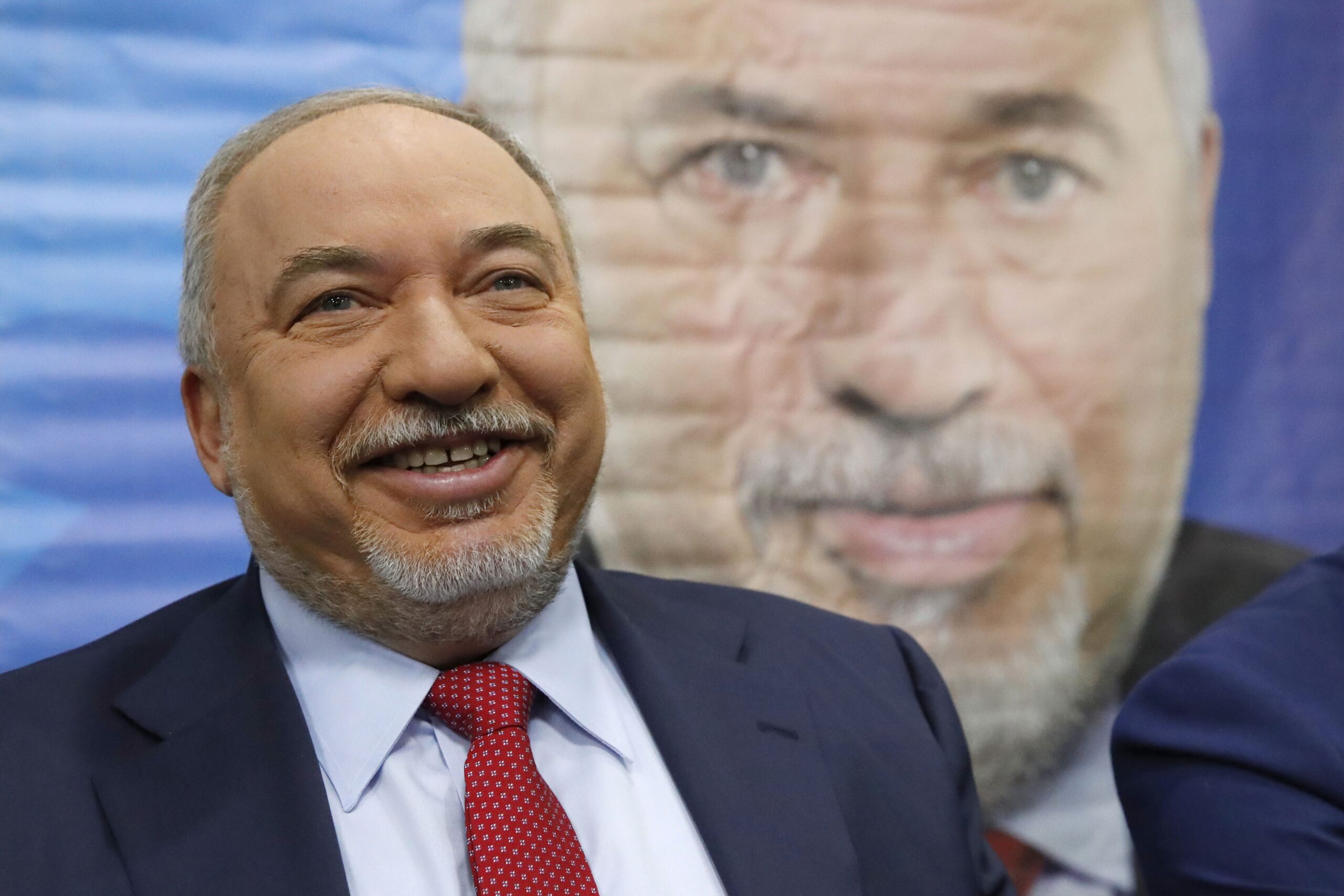
For example, the center-left Yair Lapid may support the two-state solution; however, in recent interviews, he has stated that “the establishment of an independent Palestinian state is not on the table at this time.” In contrast, right-wing politician Avigdor Lieberman, leader of the “Israel Our Home” party, has stated that the Palestinian issue will be resolved only by dissolving the Palestinian Authority, the creation of a confederation between Jordan and the Palestinians of the West Bank, as well as the incorporation of the settlements and Area C of the West Bank into Israeli territory.
These views are diametrically opposed to those of Yair Golan, leader of the “Democrats,” the only left-wing Jewish party with a realistic chance of securing a parliamentary seat in the new Knesset. Golan is a staunch advocate of the two-state solution, but at the same time supports a more permanent presence of Israeli troops in Lebanon, an issue on which the other opposition parties also appear to be converging.

A second, fundamental issue on which there is consensus among all parties, including Gadi Eisenkot, is mandatory military service for Ultra-Orthodox Jews. Eisenkot and Lieberman, in fact, go a step further, considering the possibility of universal conscription for members of Israel’s Arab minority to be realistic. And, of course, the common demand of all is none other than the immediate establishment of an independent investigative committee, which will assign responsibility for the lack of foresight and the—admittedly— inadequate response to the Hamas attack on October 7.
However, the fundamental weakness in the stance adopted by the current opposition lies in a series of important unanswered questions. How will the war be managed from here on out? What should the future hold for Gaza, southern Lebanon, and southern Syria? What steps should Israel take regarding Iran, its nuclear program, and the Iranian regime in general? How will mandatory military service be enforced among the ultra-Orthodox and members of the Arab minority? What common approach will governing partners—with such differing views on the two-state solution—adopt in the West Bank? Twenty days before the election, the opposition has yet to provide clear answers.
A Fluid Picture from the Polls
Given all these facts, it should come as no surprise that the polls published recently do not show a clear lead for either the parties aligned with Netanyahu or those supporting Eisenkot. In fact, neither side has maintained a clear communication strategy, perhaps the unusually fluid picture of the election campaign is ultimately… a shared choice. Both the ruling coalition and the opposition.