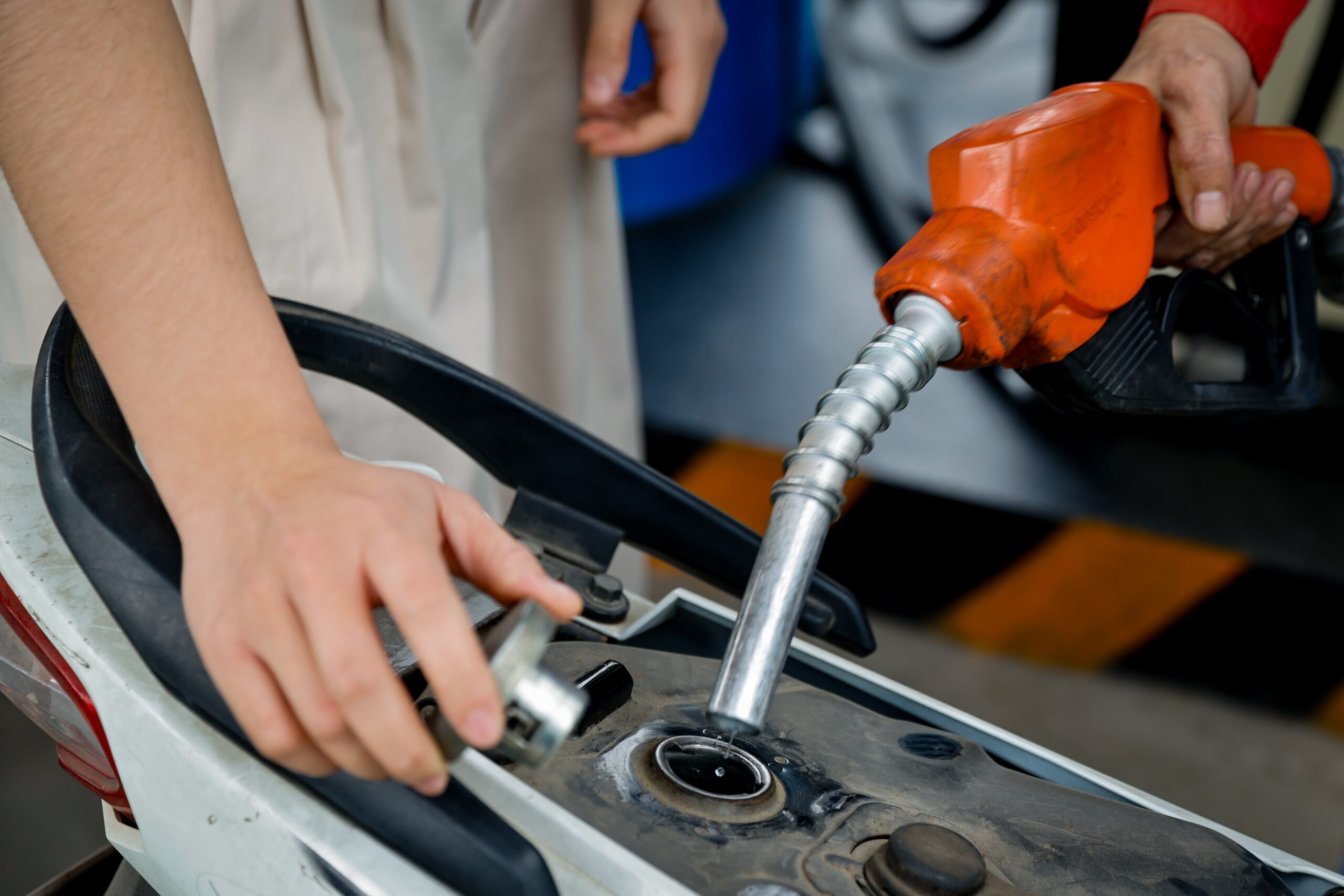




“We’re barely getting by… honestly, with the salaries we earn, we can’t make ends meet. Unfortunately, we have to limit our activities and the places we go so our money will last.”
Citizens are at their limit, with the daily surge in fuel prices and the relentless wave of inflation. The prices of both gasoline and diesel are bringing many citizens to their knees.
ΣΧΕΤΙΚΑ ΑΡΘΡΑ


“I spent 86 euros last week, and today it’s another 86 euros. That means in just one week, our salaries won’t even be enough to put food on the table anymore… Before, I used to pay about 70 euros to fill up; now I paid 112 to fill up.”
The reduction in the excise tax on heating oil approved yesterday by Parliament is a drop in the bucket for citizens, since many won’t even bother to buy it.
The reduction was “set” at 6.39 cents per liter, including VAT, and took effect at midnight today through April 30, 2027. However, according to the Consumer Protection Agency, some gas stations not only failed to implement the reduction but actually raised their prices.
“At 22 gas stations, the retail price reduction was less than 6.39 cents per liter or no reduction was recorded, while in some cases a price increase was recorded.”
The Agency published a list with the names and addresses of these gas stations and emphasized that it will continue to systematically monitor price trends.
Another price shock
The future looks set to be even more difficult, as a new wave threatens to sweep through supermarket shelves, with the European Central Bank sounding the alarm about further price hikes for basic goods.
“The increased costs of production, packaging, and transportation take a few months to filter through to the market, but it is considered certain that they will first affect energy-intensive products such as wheat, corn, bread, and pasta, and then meat and dairy products.”
The European Central Bank’s analysis highlights that food prices in the Eurozone are currently 30% higher on average compared to five years ago.
Watch Eleni Michael’s report: